
Braces Capalaba
Braces at Any Age, Right Here in Capalaba
Straight teeth are the outcome everyone notices, but the real reason for braces at Alexandra Hills Dental is establishing a healthy bite and making teeth easier to keep clean, since crowded or misaligned teeth are genuinely harder to brush and floss properly. A free orthodontic assessment is already built into every dental checkup and clean, no separate booking required.
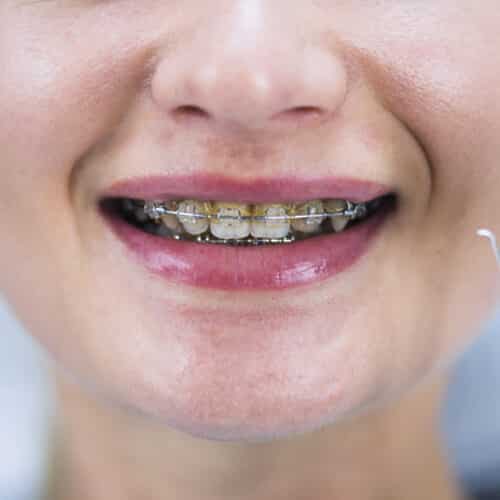
What Braces Can Correct That Aligners Cannot
Some malocclusions are simply unsightly, while others affect speech, wear down enamel faster, or reduce chewing efficiency. Traditional braces remain the more predictable option for complex tooth movement and significant bite correction, where aligners may not get the same result.
The more common malocclusions we see
- Deep bite
- Open bite
- Crossbite
- Scissor bite
| Traditional braces | Invisalign aligners | |
|---|---|---|
| Tend to suit | Complex tooth movement and significant bite correction | Many milder cases |
| Control | More control where the bite needs it | Less predictable for complex movement |
| Our approach | Usually the better treatment where the bite needs more control | If aligners can do the job, we will tell you |
Not every patient with a bite problem needs braces, and not every patient suits aligners. That call is made at an orthodontic consultation, where our team checks how your jaws meet, how the teeth wear against each other, and whether the bite is affecting your dental health, speech, or smile.
Invisalign suits many milder cases, and if Invisalign aligners can do the job, we will tell you. Where the bite needs more control, braces are usually the better treatment, and the team explains how that treatment works and what it means for your smile before anything starts.
Our orthodontics service sits within our wider dental care, so dental check-ups and cleans continue alongside orthodontic treatments to protect gum health while teeth move. At Alexandra Hills Dental, we are a preferred provider for CBHS, Australian Unity, HCF, Medibank, and Bupa, so it is worth asking your health fund what your extras cover for orthodontics and related dental treatments before you book.
Our clinic in Alexandra Hills is a short drive from Capalaba, which makes regular adjustment visits easier for any Capalaba patient balancing school or work. To compare braces, aligners, and Invisalign, call 07 3824 4488 to book an orthodontic consultation, or contact our team at Alexandra Hills Dental to book online.
Capalaba families are also welcome to contact us about orthodontics alongside any other dental service, from a child’s first check-up to adult treatments. Whether you call or use the online contact form, our team will match the service and treatment to your smile, starting with a consultation.
Metal, Ceramic, and Clear Bracket Options
Braces have come a long way from the bulky designs people remember. Options now include traditional metal, ceramic braces that blend closer to natural tooth colour, and lingual braces fitted behind the teeth for a more discreet look altogether.
| Bracket type | How it looks | Often suits |
|---|---|---|
| Traditional metal | Visible metal brackets | Patients who play contact sport, for its strength, worn with a mouthguard |
| Ceramic | Blends closer to natural tooth colour | Patients in a client-facing job |
| Lingual | Fitted behind the teeth, for a more discreet look | Patients who want the brackets out of sight |
| No brackets: Invisalign | Clear aligners | Milder cases, checked at your consultation |
Lifestyle often decides the bracket more than looks do. A patient who plays contact sport may favour metal for its strength, worn with a mouthguard, while a patient in a client-facing job might lean towards ceramic or lingual treatments. Others skip brackets entirely and ask whether Invisalign clear aligners suit their case, which our orthodontic team can check when you book.
Every orthodontic option still needs to support long-term oral health. Clear, metal, and lingual brackets all call for regular reviews, so our orthodontics service runs alongside routine check-ups, and gum health stays monitored across all treatments, including Invisalign.
Clear answers about orthodontics make the choice easier, so book an orthodontic consultation on 07 3824 4488 or contact our team online. Bring questions about Invisalign, health fund coverage, or the orthodontics service, and each patient can compare treatments side by side before deciding which to book. The service continues well after the brackets go on, so contact us whenever something new comes up.
Your First Fitting Appointment
Getting started should not feel confusing. At assessment, smile goals and any concerns get discussed, teeth, bite, and jaw alignment get examined, and the orthodontic options that actually suit the situation get explained, all before any commitment is made. Payment plan information comes up from that very first visit too.
What to bring to your first visit
- Your health fund card
- A list of any medications
- Recent X-rays, if another clinic has taken them
- Your questions, such as how often adjustments happen
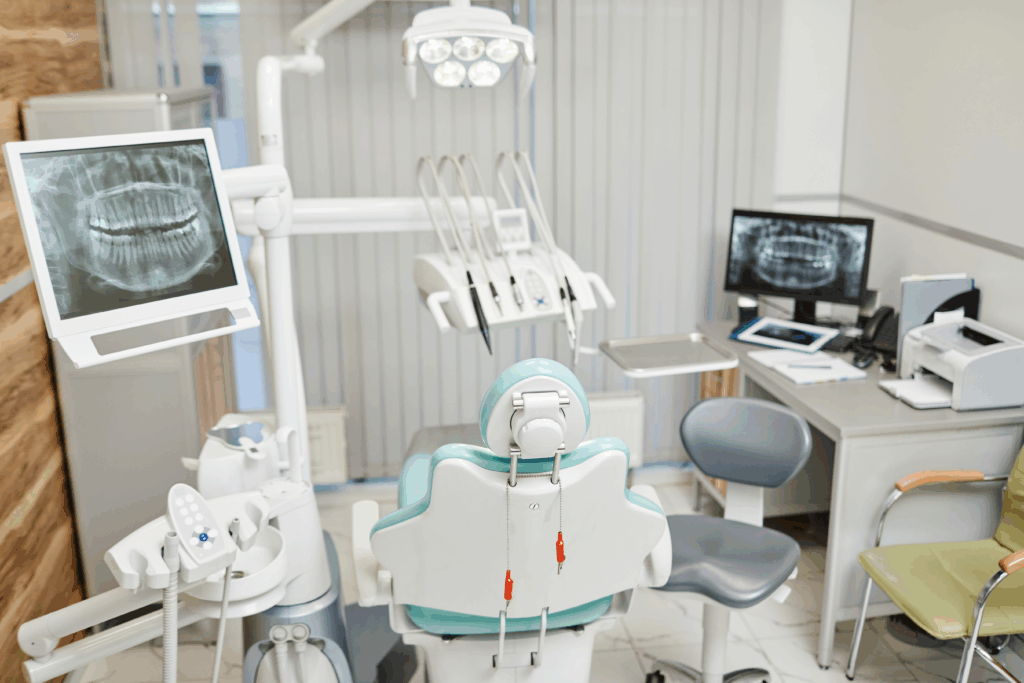
- AssessmentSmile goals and concerns are discussed, your teeth, bite and jaw alignment are examined, and the options that suit you are explained, all before any commitment.
- FittingYour braces go on. Mild discomfort for a few days is normal as teeth begin to move.
- Adjustment visitsUsually quick visits every four to eight weeks, depending on your plan, to keep tooth movement on track.
- Finishing treatmentFrom around six months for simple corrections up to two years or more for complex ones.
A little preparation makes your first orthodontics visit more useful. Bring your health fund card, a list of any medications, and recent X-rays if another clinic has taken them, as these can inform the orthodontic assessment. Jotting down questions beforehand also helps, such as how often adjustments happen or how the orthodontics service handles a broken bracket.
The clinic is open until 8 pm on Thursdays and until 1 pm on Saturdays, which can make it easier to fit an orthodontic visit around school or work. Call 07 3824 4488 or book online to arrange a first visit with our orthodontics service, and mention it is an orthodontic assessment so the service can set aside enough time.
Adjustment Visits and How Often You Come In
Braces need periodic adjustment to keep tooth movement on track, typically every four to eight weeks depending on the plan. These visits are usually quick, and what to expect at each stage gets flagged in advance.
The First Week: Soreness and Soft Foods
Mild discomfort for a few days after fitting or an adjustment is normal, simply because teeth are beginning to move. Softer foods for the first week or so make eating a lot more comfortable while the mouth adjusts.
Brushing and Flossing Around Brackets
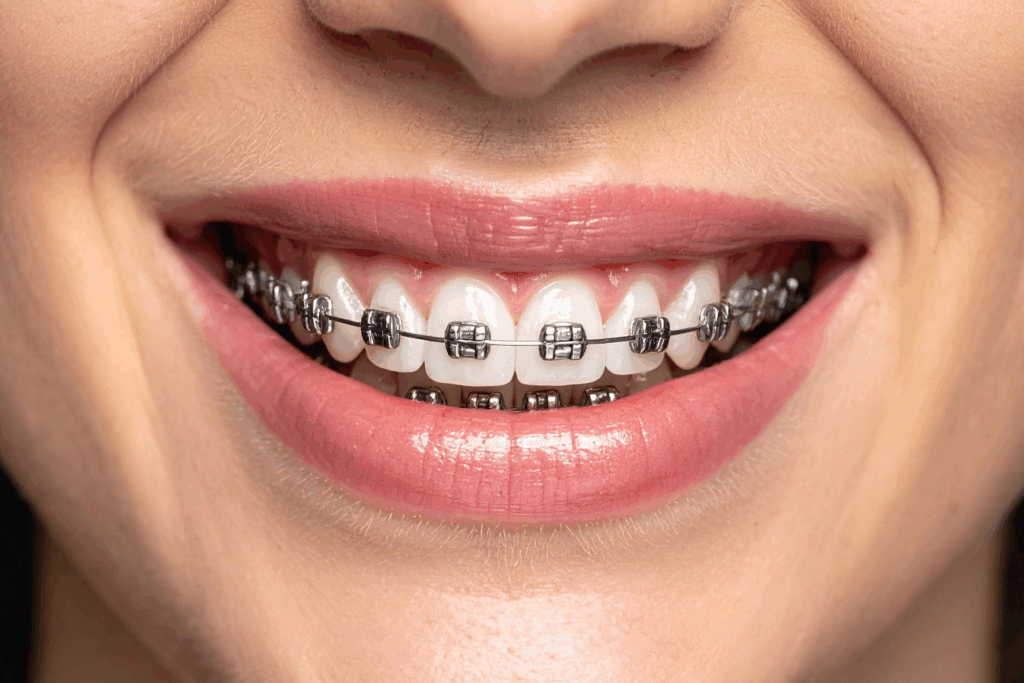
Brushing around brackets and wires takes more care than usual, and floss threaders genuinely help get between teeth properly. Hygiene matters even more during treatment, since food and plaque trap more easily around the hardware.
Keeping clean in braces
- Brush carefully around every bracket and wire
- Use floss threaders to get between teeth properly
- Keep up your regular check-ups and cleans during treatment
Foods to Avoid While You Are in Braces
Worth steering clear of, to protect brackets and wires
- Hard candies, nuts and ice, all of which can crack or dislodge a bracket
- Sticky foods like caramels and chewy lollies that pull at wires
- Biting straight into hard foods such as apples or corn on the cob; cut them up instead
Handling a Loose Bracket or a Poking Wire
A loose bracket or a wire poking your cheek is worth a call rather than waiting for the next scheduled visit. Left alone, a poking wire irritates the inside of the mouth, and a loose bracket can slow progress.
Loose bracket or poking wire? Call us on 07 3824 4488 rather than waiting for your next scheduled visit.
Treatment Timelines for Teens Versus Adults
Length depends on the complexity of the case, generally from around six months for simple corrections up to two years or more for complex ones. Adult treatment tends to run a little longer than treatment started during the teenage years, since younger jawbones are still developing and easier to guide.
| Case | Typical length |
|---|---|
| Simple corrections | Around six months |
| Complex cases | Two years or more |
| Adults | Tends to run a little longer than treatment started in the teenage years |
What Braces Cost and How Families Manage It
Cost depends on bracket type and the length and complexity of treatment. Three payment plan options, including AfterPay and Zip Pay, plus SuperCare help spread costs across the treatment period, and we are a preferred provider for CBHS, Australian Unity, HCF, Medibank and Bupa, with HICAPS claims processed on the spot.
| Option | How it works |
|---|---|
| Health fund | Preferred provider for CBHS, Australian Unity, HCF, Medibank and Bupa, with claims processed on the spot through HICAPS. Check what your extras cover for orthodontics |
| Payment plans | Three payment plan options, including AfterPay and Zip Pay, so you can spread the cost of treatment |
| SuperCare | A superannuation-based option for funding dental treatment |





Braces Capalaba: Frequently Asked Questions
Is an orthodontic assessment included in my checkup?
Yes. A free orthodontic assessment is built into every dental checkup and clean, with no separate booking required.
Braces or Invisalign: which do I need?
Traditional braces are more predictable for complex tooth movement and significant bite correction. Invisalign suits many milder cases, and if aligners can do the job, we will tell you.
What types of braces are available?
Traditional metal, ceramic braces that blend closer to natural tooth colour, and lingual braces fitted behind the teeth.
How often will I need adjustments?
Typically every four to eight weeks, depending on your plan. These visits are usually quick.
How long will I wear braces?
From around six months for simple corrections up to two years or more for complex cases. Adult treatment tends to run a little longer.
Do braces hurt?
Mild discomfort for a few days after fitting or an adjustment is normal as teeth begin to move. Softer foods for the first week help.
What should I do about a loose bracket or poking wire?
Call us rather than waiting for your next scheduled visit, since a poking wire irritates the mouth and a loose bracket can slow progress.
What foods should I avoid with braces?
Hard candies, nuts, ice, sticky foods like caramels and chewy lollies, and biting straight into hard foods such as apples or corn on the cob.
Start With a Braces Consultation Near Capalaba
Whatever your age, feeling confident with your own smile matters, so call for an orthodontic assessment on 07 3824 4488. We are at Shop 2/191 Vienna Rd, Alexandra Hills, a short drive from Capalaba, and every checkup and clean already includes a free orthodontic assessment as standard.
| Day | Opening hours |
|---|---|
| Monday | 8:30 am to 6:00 pm |
| Tuesday | 8:30 am to 5:00 pm |
| Wednesday | 8:30 am to 6:00 pm |
| Thursday | 9:00 am to 8:00 pm |
| Friday | 8:30 am to 5:00 pm |
| Saturday | 8:30 am to 1:00 pm |
| Sunday | Closed |