
Braces Still Do What Nothing Else Can
Braces are brackets bonded to each tooth and linked by a wire that’s changed and adjusted over months to move the teeth and correct the bite, and they’re still the most precise tool orthodontics has. Stand on the sideline at Saturday netball or footy around the Redlands in Australia, and you’ll spot a few mouths full of metal and coloured ties, and probably a parent wondering whether their own kid is next. Below: what braces can do that aligners can’t, what the first week feels like, and how to stop them leaving marks behind.
For many patients in Redland Bay, braces are part of a broader dental plan rather than a stand-alone fix. At Alexandra Hills Dental, we look at how braces fit within long-term oral health, bite stability, and the appearance of your smile. Our wider dentistry services mean we can also keep routine dental care coordinated while the braces are doing their job.
Across Australia, fixed appliances remain an important part of orthodontics, particularly where precise tooth movement is required. Whether you’re considering traditional metal braces, lingual braces, ceramic brackets, clear aligners, Invisalign, or another approach, the aim is to choose the option that suits the bite and your smile rather than simply choosing the least visible appliance.
Complex Cases That Need Fixed Appliances
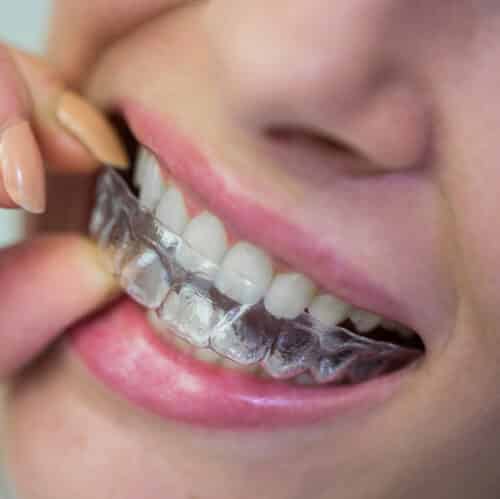
Clear aligners get a lot of attention, but braces remain the go-to for many cases, and here’s why. Because brackets are fixed to each tooth, braces give precise control over how every tooth moves, including rotating, tipping, lifting, and shifting roots, not just the crowns. They also work all day, every day, without relying on anyone remembering to wear them.
Braces are especially useful for
- Significant crowding
- Deep bites and open bites
- Crossbites and scissor bites
- Rotated teeth
- Larger bite corrections
- Younger patients who may find 22-hour aligner wear hard
That makes braces especially useful for significant crowding, deep bites, open bites, crossbites, scissor bites, rotated teeth, and larger bite corrections. They’re also often the better choice for younger patients, who may find it hard to wear aligners for 22 hours a day. Some severe skeletal problems need surgery as well as braces, and in those cases we’ll refer you to a specialist orthodontist.
Orthodontic treatment here is provided by Dr Webert Chen, our principal dentist, who has undertaken further study to provide orthodontic treatment. Because we check alignment at every routine check-up and offer a free orthodontic consult with every check-up and clean, problems tend to get spotted early.
Braces aren’t just for teenagers, either. Plenty of adults choose them, whether they missed out as kids, their teeth have shifted over the years, or they need more control than aligners can offer. Treatment can take a little longer in adults because the jaw has finished growing, but the results can be just as good.
In practical terms, this is where fixed braces can outperform some other orthodontics treatments. While Invisalign and other clear systems suit many patients well, fixed appliances can give more control in difficult cases. Our dental services include assessing which option is most appropriate rather than trying to make one system work for everyone.
Some patients arrive specifically asking for Invisalign because they like the removable and discreet format. If braces are likely to give better control, we’ll explain why rather than forcing an Invisalign plan onto a case that would be better handled another way.
Stainless Steel, Ceramic, and Tooth-Coloured Ties
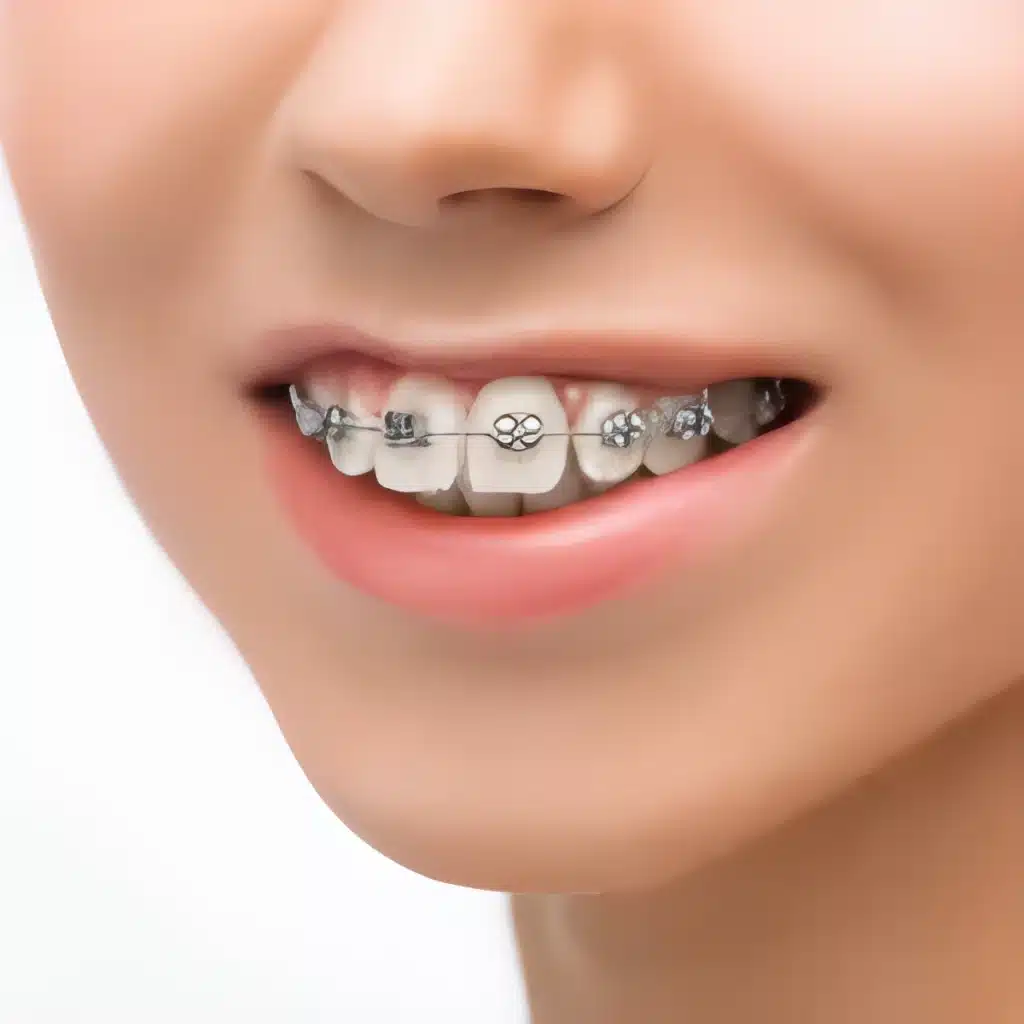
Stainless steel braces are the traditional metal option: strong, reliable, and usually the most cost-effective. Kids often enjoy choosing coloured ties to go with them.
Ceramic braces use tooth-coloured or clear brackets that blend in with your teeth, making them far less noticeable. They’re popular with adults and teens who want a more discreet look. Paired with clear or tooth-coloured ties, they’re quite subtle, though the ties can pick up stains from curries, coffee and the like between visits.
We’ll talk through which option suits your case, your budget, and how visible you’re happy for them to be.
| Option | How it looks | Worth knowing |
|---|---|---|
| Stainless steel braces | Traditional metal, often with coloured ties | Strong, reliable, and usually the most cost-effective |
| Ceramic braces | Tooth-coloured or clear brackets that blend in | Popular with adults and teens; ties can pick up stains between visits |
| Lingual braces | Positioned behind the teeth | A different approach that isn't suitable for every case |
| Clear aligners or Invisalign | Removable clear trays | Suit many patients, but give less control in difficult cases |
Traditional metal braces remain one of the most familiar orthodontics options in Australia. They’re strong, straightforward, and suitable for a wide range of movements. Ceramic braces use a similar principle but reduce how noticeable the appliance is when you talk or smile.
Some patients also ask about lingual braces. Lingual appliances are positioned behind the teeth rather than on the front, which can make them less visible. Lingual orthodontics is a different approach from conventional metal or ceramic brackets and isn’t suitable for every case, so lingual braces are something to discuss rather than assume will automatically be the best option.
For adults comparing discreet options, the conversation may include ceramic braces, Invisalign, other removable systems, and lingual braces. Each has practical advantages and limitations, and your dental assessment helps narrow down what is realistic.
Bonding Day and Getting the Wire On
- Clean and conditionThe teeth are cleaned and polished, and a mild conditioning solution is applied.
- Place the bracketsEach bracket is placed with dental adhesive and set with a curing light.
- Thread the wireThe first wire is threaded through the brackets and held in place with small ties.
- Before you leaveWe show you how to clean around the brackets and give you some orthodontic wax.
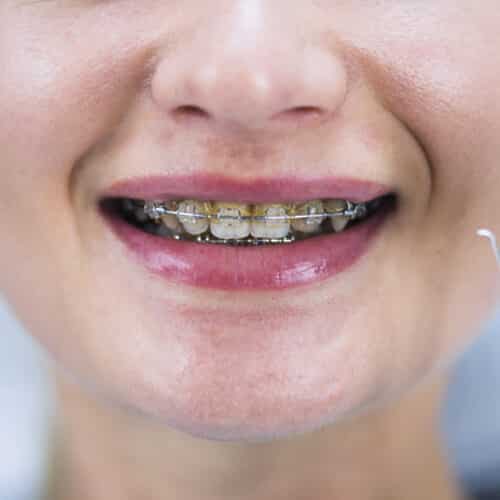
Bonding day is the start of treatment, and it’s not painful. The teeth are cleaned and polished, a mild conditioning solution is applied, and each bracket is placed with dental adhesive and set with a curing light. Then the first wire is threaded through the brackets and held in place with small ties. The whole visit is spent mostly lying back with your mouth open, which is the hardest part for most people.
Before you leave, we’ll show you how to clean around the brackets, give you some orthodontic wax, and run through what to eat for the first few days. Expect your teeth to feel tender for a few days as they start to move. That’s normal and a sign the braces are working.
Bonding is a precise dental procedure, and the positioning of each bracket matters. Good orthodontics is about controlling where the teeth finish, not simply attaching brackets and waiting.
Some patients ask whether laser dentistry is involved in getting braces fitted. Routine bracket bonding and wire changes are not laser procedures. A laser can be used for selected procedures elsewhere in dental care, but the tooth movement itself comes from the brackets, wires, and carefully planned forces.
If another dental treatment involving a laser is relevant to your case, we’ll explain that separately rather than presenting it as part of standard brace fitting.
How the Wire Sequence Moves Teeth
Braces work through gentle, steady pressure. Treatment usually starts with thin, flexible wires, often made of a nickel-titanium alloy, which can bend to reach even badly crooked teeth and slowly straighten out. As the teeth line up, the wires are swapped for progressively thicker, stiffer ones, often stainless steel, which give more control over the finer details and the bite. The bone around each tooth slowly remodels as the tooth moves, which is why orthodontics takes time.
- Thin, flexible wiresOften a nickel-titanium alloy, which can bend to reach even badly crooked teeth and slowly straighten out.
- Thicker, stiffer wiresOften stainless steel, giving more control over the finer details and the bite.
- Elastics, if neededSmall elastics between the top and bottom braces help correct the bite. Wearing them as instructed makes a real difference to the finish date.
How long braces stay on depends on how complex the case is, how your teeth respond, and how well the routine is followed at home. Simple cases are quicker; bigger bite corrections take longer. We’ll give you a realistic estimate at the start and update it as treatment progresses, rather than a number that sounds good but doesn’t hold up. Sometimes small elastics are added between the top and bottom braces to help correct the bite, and wearing them as instructed makes a real difference to the finish date.
The change from flexible wire to stronger metal wires is an important part of how fixed orthodontics progresses. Different stages do different jobs, and those stages are why braces remain useful for movements that may be more difficult with removable systems.
Across Australia, patients often compare several orthodontic options before deciding. That may include braces, Invisalign, clear aligners, or other appliances. The key is not whether one option is newer or less visible, but whether it can produce the movement your bite actually needs.
Six-Weekly Adjustments and Why They Ease Off
During treatment, you’ll come in regularly, often every six weeks or so, though the interval varies with your case. At these visits, we check progress, change wires or ties, and make adjustments. Many people find their teeth feel tender for a day or two after an adjustment, then settle. As treatment goes on and the teeth get closer to their final positions, the changes become smaller, and the soreness usually eases off too.
These reviews form part of our ongoing dental services and orthodontics care. They allow us to check how the bite is changing and whether anything needs adjusting before the next stage.
If you’re travelling from another part of the Redlands, it can help to schedule each visit before you leave. Whether you’re coming from a main road or a quieter residential street, regular appointments are easier to manage when they’re already in the diary.
For patients travelling from a nearby street or suburb, these shorter review appointments can often be easier to fit around school, work and sport than the initial fitting appointment.
Wax, Soft Foods, and the Settling-In Period
The first week is the biggest adjustment. Your teeth may ache, and the brackets can rub on your cheeks and lips. A few things help.
The settling-in period is similar whether you have traditional metal or ceramic brackets. The brackets can initially feel more noticeable when you speak or smile, but most people adapt quickly.
A few things help
- Press orthodontic wax over any bracket that's rubbing until your cheeks toughen up
- Stick with soft foods like pasta, soup, eggs, yoghurt and mashed veggies for the first few days
- Take over-the-counter pain relief as directed if needed
- Cut harder foods into small pieces rather than biting into them
- Avoid hard, sticky and chewy foods such as nuts, toffee, popcorn and chewing gum, which can break brackets
If you’re comparing fixed appliances with Invisalign or lingual options, comfort during the first few weeks is one of several practical differences our dental team can explain.
Different orthodontic treatments have different adjustment periods, so it is worth considering what will fit your routine as well as what will move the teeth effectively.
Cleaning Properly to Avoid White Marks
Nobody enjoys hearing this one: if plaque sits around brackets for months, it can leave chalky white marks on the teeth when the braces come off. These are early areas of mineral loss, sometimes called white spot lesions, and they can be permanent. Straight teeth with white marks aren’t the result anyone is after.
Avoiding white marks
- Brush carefully around every bracket, above and below the wire, after meals
- Use interdental brushes or floss threaders to get under the wire
- Use a fluoride toothpaste
- Cut right back on sugary and acidic drinks, especially sports drinks
- Keep up your regular check-ups and cleans
The fix is good cleaning. Brush carefully around every bracket, above and below the wire, after meals. Use interdental brushes or floss threaders to get under the wire, use a fluoride toothpaste, and cut right back on sugary and acidic drinks, especially sports drinks sipped through a game. Keep up your regular check-ups and cleans, too. Some people find an electric toothbrush makes it easier to get around the brackets, and a quick look in the mirror after brushing, checking that every bracket edge looks clean, is a good habit to build in the first week.
This is why regular dentistry services continue while braces are in place. Straightening the bite is only part of the job. Protecting enamel and gum health throughout the process matters just as much to the final smile.
Our broader dental care means your routine checks and cleans can continue alongside your orthodontics appointments. That matters for all patients, regardless of whether they’re wearing metal braces, ceramic appliances, or undergoing another form of orthodontic care.
Mouthguards for Footy and Netball Season
If you or your child play contact sports, a mouthguard is essential, and even more so with braces, because a knock can push brackets into the lips and cheeks. A standard boil-and-bite guard usually won’t fit well over braces, and a guard moulded to your current teeth stops fitting as the teeth move. Ask us about a mouthguard suitable for wearing with braces before the season starts. Wear it at training as well as on game day, since plenty of knocks happen in drills rather than matches.
Sport is a big part of family life across Australia, so orthodontics needs to fit around it rather than stop it. If sport season is starting, tell us at your next dental visit so the mouthguard can be considered alongside the rest of your care.
Whether you’re heading to training from school, work or your local street, protecting braces during contact sport is worth planning before the first game. The same advice applies to patients travelling from another street or suburb for weekend sport.
Loose Brackets and Poking Wires
It happens to almost everyone at some point. A loose bracket isn’t usually an emergency, but call us on 07 3824 4488 so we can fix it, as it can slow treatment down. A wire poking into your cheek can often be eased by covering the end with wax until you can get in. Don’t cut wires yourself. If something is causing real pain or injury, call us straight away.
If something breaks
- Loose bracket: call us on 07 3824 4488 so we can fix it
- Poking wire: cover the end with wax until you can get in
- Don't cut wires yourself
- Real pain or injury: call us straight away
A broken metal bracket or poking wire is usually handled with standard orthodontics techniques rather than laser treatment. If you’re unsure what has happened, send through the details or call so we can tell you how quickly it needs attention.
A laser does not replace the mechanical repair of a bracket or wire. These problems are managed using standard dental and orthodontic techniques.
These repair appointments are part of the ongoing services involved with fixed braces and are common during longer orthodontics treatments.
Debonding Day and What Comes Next
When your teeth are in position, the brackets are gently removed, the adhesive is polished off, and your teeth are cleaned. Most people can’t stop running their tongue over their smooth teeth. Then come retainers, which hold your teeth in place while the surrounding bone settles. Teeth naturally tend to shift back, so wearing your retainers as instructed protects everything you’ve worked for.
For many patients, this is the point where the change in their smile really hits home. It is also where braces connect back to the bigger picture of dental care and long-term dentistry.
Your retainers become part of maintaining the result, just as routine dental services remain important once the active orthodontics stage is over.
People who previously compared braces with Invisalign or lingual systems still need retention once active movement is finished. Retainers are part of protecting the result across all of these orthodontic treatments.
Book a Braces Consultation From Redland Bay
- Book the check-upA free ortho consult comes with every check-up and clean.
- See if braces suitBraces, aligners, or keep an eye on it for now.
- Plan around lifeAdjustments after school, Thursday evenings, or Saturday mornings.
Fees depend on the type of braces and how long treatment runs, and you’ll get the full quote before committing. The Medicare Child Dental Benefits Schedule (CDBS) doesn’t cover orthodontics, even for eligible children, but many private extras policies do include some orthodontic cover, so check yours.
| Option | How it works |
|---|---|
| Health fund | Many private extras policies include some orthodontic cover. We're a preferred provider for CBHS, Australian Unity, HCF, Medibank and Bupa, with claims on the spot through HICAPS |
| Payment plans | Three payment plan options, including AfterPay and Zip Pay |
| SuperCare | A superannuation-based option for funding dental treatment |
| Medicare CDBS | Doesn't cover orthodontics, even for eligible children |





If sport season is about to start, mention it when you book so we can sort out a mouthguard plan at the same time. Call 07 3824 4488 or book online.
At Alexandra Hills Dental, braces are provided as part of broader orthodontics, dentistry and dental services. We can compare traditional metal braces, ceramic brackets, Invisalign, clear systems and, where relevant, discuss how lingual approaches differ.
If you’ve been researching orthodontics in Australia, bring your questions with you. Some patients are deciding between fixed appliances and Invisalign, while others want to understand whether lingual braces are realistic for their particular bite.
We can also clarify questions about laser dentistry if you’ve seen it mentioned while researching braces. Laser procedures have specific uses in dentistry, but they do not replace the brackets, wires or other forces used to move the teeth.
Whether you’re coming from around the corner, another residential street, or elsewhere in Redland Bay, the first dental assessment is the best place to compare the available orthodontic treatments properly.
Braces Redland Bay: Frequently Asked Questions
What can braces do that aligners can't?
Because brackets are fixed to each tooth, braces give precise control over how every tooth moves, including rotating, tipping, lifting and shifting roots, and they work all day without relying on anyone remembering to wear them.
Are braces only for teenagers?
No. Plenty of adults choose them. Treatment can take a little longer in adults because the jaw has finished growing, but the results can be just as good.
What types of braces are there?
Stainless steel braces, the traditional metal option, and ceramic braces with tooth-coloured or clear brackets. Lingual braces sit behind the teeth but aren't suitable for every case.
Does getting braces fitted hurt?
Bonding day isn't painful. Expect your teeth to feel tender for a few days afterwards as they start to move.
How often are braces adjusted?
Often every six weeks or so, though the interval varies with your case. Teeth may feel tender for a day or two after an adjustment.
How do I avoid white marks from braces?
Brush carefully around every bracket after meals, clean under the wire with interdental brushes or floss threaders, use fluoride toothpaste, and cut back on sugary and acidic drinks.
What should I do if a bracket comes loose?
Call us on 07 3824 4488 so we can fix it. Cover a poking wire with wax until you can get in, and don't cut wires yourself.
Does the CDBS cover braces?
No. The Medicare Child Dental Benefits Schedule doesn't cover orthodontics, but many private extras policies include some orthodontic cover.