
Straightening Teeth Without Anyone Noticing
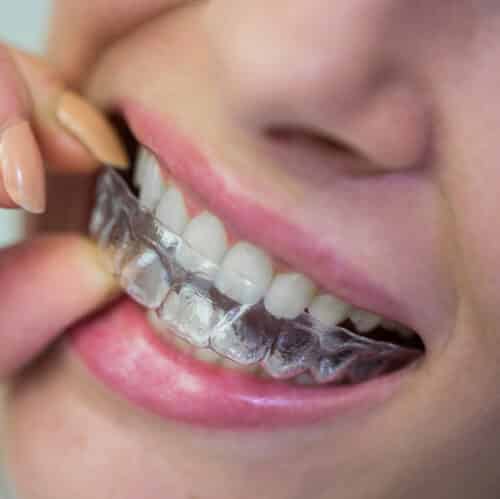
Clear aligners are a series of removable, near-invisible plastic trays, each made to shift the alignment of your teeth by a small amount, and aligner treatment at Alexandra Hills Dental usually takes one to two years. One reason working adults like them is the routine. You swap trays at home every two weeks and come in every four to eight weeks for a check, which fits around a nine-to-five far more easily than most people expect. The catch is that the trays only work while they’re in, and that part is entirely up to you.
For people in Redland Bay, QLD, Cleveland, and surrounding Redland suburbs, clear aligners offer a discreet alternative to fixed braces or veneers for suitable cases. Our dentists look at your bite, teeth alignment, and overall dental health before recommending an aligner plan. If your goal is a straighter smile, our dentists can also explain how clear aligners compare with braces, Invisalign, veneers, and other options.
If you’d like to find out whether aligners suit you, book a consultation with Alexandra Hills Dental. People travelling from Cleveland, Redland Bay, and other parts of QLD can use that first visit to compare the available options before deciding how they want to proceed.
For some people, the motivation is mainly cosmetic. For others, crowding or bite concerns are making everyday cleaning more difficult. Good dentistry considers both sides, so your dentist will look at the function and appearance of your teeth rather than focusing on the straightness of your smile alone.
How a Series of Trays Does the Work
Each set of aligners is shaped slightly differently from the one before. When you put a new set in, it fits snugly with your teeth but applies gentle, controlled pressure to specific areas. Over the following days, the supporting bone remodels, and the alignment gradually shifts into the tray’s shape. Then you move to the next set, and the process repeats.
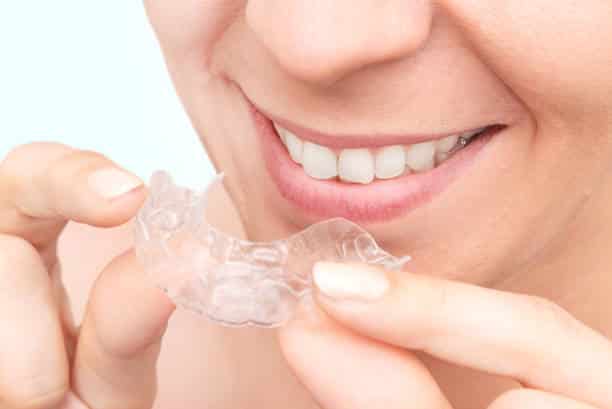
- A new set goes inIt fits snugly but applies gentle, controlled pressure to specific areas.
- The bone remodelsOver the following days, the alignment gradually shifts into the tray's shape.
- Next set, every two weeksYou move to the next set, and the process repeats.
- Check-ins every four to eight weeksDr Webert Chen checks that everything is tracking as planned.
At our practice, you’ll usually change to a new set of aligners every two weeks, and see Dr Webert Chen every four to eight weeks so we can check that everything is tracking as planned. Small moves, repeated many times, add up to a straighter smile.
Will it hurt? Most people describe a feeling of pressure or tightness for the first day or two of each new set, which is a sign the trays are doing their job. It usually settles quickly. Many people find switching to a new set at bedtime helps, so the tightest stretch happens while they sleep. If an edge rubs your tongue or cheek, let us know, and we can smooth it.
For people travelling from Redland Bay, Cleveland, or elsewhere in QLD, these regular reviews are an important part of supervised orthodontic dentistry. Your dentist is checking more than whether the trays still fit. The bite, gum health, and progress of the planned teeth movements are reviewed throughout the process.
The Scan and Your Digital Treatment Plan
It starts with a thorough assessment of your teeth, bite, and dental health, including photos and X-rays. Your mouth is then captured, and that record is turned into a 3D digital model. From that model, a treatment plan maps out how each movement will happen, stage by stage, and how many sets of aligners you’ll need.
Our dentists review and adjust that plan before anything is made, because software proposes and a dentist decides. Dr Webert Chen, our principal dentist, has undertaken further study to provide orthodontic treatment, and he’ll go through the plan with you in plain English.
This is also where our dentists can compare clear aligners, Invisalign, braces, and any other appropriate approach. The word aligner can describe several systems, so the important point is not the brand name alone. It’s whether the planned movements suit a removable system and whether you’re willing to wear it consistently.
If you’ve specifically been researching Invisalign in Cleveland or Redland Bay, bring those questions with you when you book. Your dentist can explain where Invisalign fits within the wider range of orthodontic dentistry options.
- AssessmentA thorough check of your teeth, bite and dental health, including photos and X-rays.
- 3D digital modelYour mouth is captured and turned into a 3D model.
- Treatment planEach movement is mapped stage by stage, and a dentist reviews and adjusts it before anything is made.
- SimulationYou see a prediction of your result before you commit.
Seeing the Result Before You Start
One of the nicest parts of aligner treatment is seeing a simulation of your predicted result before you commit. It helps you understand what’s realistic and ask questions early. Just remember it’s a prediction, not a guarantee. Movement doesn’t always happen exactly as planned, and sometimes refinement trays are needed towards the end to finish the details.
For many people, seeing that digital preview also helps them decide whether straightening alone will achieve the smile they want or whether small cosmetic dentistry changes may be considered afterwards. For example, bonding or veneers may occasionally be discussed once alignment is complete, but veneers aren’t automatically needed.
Our dentists generally prefer to see what the orthodontic stage achieves first. Sometimes an area that initially appears to need veneers looks completely different once spacing and alignment improve. That can mean a more conservative dental and cosmetic plan overall.
Attachments, Buttons, and Interproximal Reduction
| Addition | What it is | Why it's used |
|---|---|---|
| Attachments | Small, tooth-coloured bumps bonded to selected areas, polished off at the end | To give the aligners extra leverage for certain movements |
| Buttons | Small buttons for elastics | To help correct the bite |
| Interproximal reduction | Gently polishing a very small amount of enamel between selected areas | To create a tiny bit of space and relieve crowding |
Aligners need something to grip. That’s where attachments come in: small, tooth-coloured bumps bonded to selected areas that give the aligners extra leverage for certain movements. They’re designed to blend in and are polished off at the end of treatment.
Some cases also use small buttons for elastics that help correct the bite. And sometimes we need a tiny bit of space to relieve crowding. Interproximal reduction creates it by gently polishing a very small amount of enamel between selected areas. It’s planned in advance, done carefully, and we’ll explain if your plan includes it.
These small additions are one reason supervised aligner care can handle movements that a simple mail-order tray may not. Your dentist can explain whether attachments, elastics or interproximal reduction are likely to be needed before the first trays are made.
For people coming from Cleveland, Redland Bay or nearby QLD suburbs, this is also a chance to ask how these additions might affect the appearance of the trays. In most cases, they remain relatively discreet, which is one reason aligners are popular with adults who have cosmetic concerns about fixed appliances.
The 22-Hour Rule and Staying on Track
Aligners are clever technology, but the technology isn’t what decides your result. You do. Aligners only work while they’re in your mouth, so they need to be worn about 22 hours a day, coming out only to eat and drink anything other than water, and to clean your mouth.
Leaving them out for long stretches means movement doesn’t happen as planned, and the next tray won’t fit properly. That’s how treatment drags on. A simple trick: put them straight back in after every meal, and keep a case with you so they never end up wrapped in a serviette.
Staying on track
- Wear them about 22 hours a day
- Take them out only to eat, drink anything other than water, and clean
- Put them straight back in after every meal
- Always keep them in their case when they're out
- Lost one? Ring us rather than skipping ahead or going without
The biggest difference between fixed braces and a removable aligner is compliance. Braces keep working because they’re attached. Clear aligners and Invisalign depend on you wearing them consistently. For disciplined adults and teens, that flexibility is often one of their biggest advantages.
If you’re commuting between Cleveland, Redland Bay, and other Redland suburbs for work, keeping a spare case in your bag can make the routine easier. The same applies if your aligners need to fit around meetings, social events, or other situations where maintaining a discreet smile matters to you.
Taking Them Out for Meals and Photos
Because aligners are removable, you can eat what you like, with no banned foods list like there is with braces. Take them out, eat, brush or at least rinse, and pop them back in. Got a wedding or a big work presentation? Taking them out for a short while is fine, as long as it doesn’t become a habit. Most people find they’re hard to spot anyway.
Always put them in their case when they’re out. Trays wrapped in a serviette at a cafe or left on a lunch tray are how most aligners go missing, and the family dog has been known to find them too. If you do lose one, ring us rather than skipping ahead or going without. Depending on how you’re tracking, we’ll usually have you move to the next set or go back to the previous one until a replacement arrives.
For working adults from Redland Bay, Cleveland, and surrounding QLD areas, the ability to remove aligners briefly for an important event is one reason this orthodontic option can fit comfortably around work and social life.
Cleaning Trays Without Staining Them
Keep your trays clear by rinsing them whenever you take them out and brushing them gently with a soft toothbrush and cool water. Hot water can warp them. Avoid drinking coffee, tea, red wine, or anything sugary with your aligners in, as they can stain the trays and trap sugar against the enamel. Brush before putting them back in.
Keeping trays clear
- Rinse them whenever you take them out
- Brush them gently with a soft toothbrush and cool water
- Avoid hot water, which can warp them
- No coffee, tea, red wine or sugary drinks with trays in
- Brush your teeth before putting them back in
Keeping trays clear also supports good dental hygiene throughout the process. If plaque or food is trapped before the trays go back in, it remains pressed against the enamel until they’re removed again.
If you’re unsure whether your cleaning routine is adequate, ask your dentist at the next review. Good dentistry during aligner care means protecting the mouth while the orthodontic changes are happening, not simply focusing on the final smile.
Cases That Are Better Suited to Braces
Aligners work well for many people, but not everyone.
Aligners tend to suit
- Mild to moderate crowding
- Gaps between teeth
- Minor bite concerns, such as a slight overbite or underbite
- Teeth that have drifted since previous orthodontic treatment
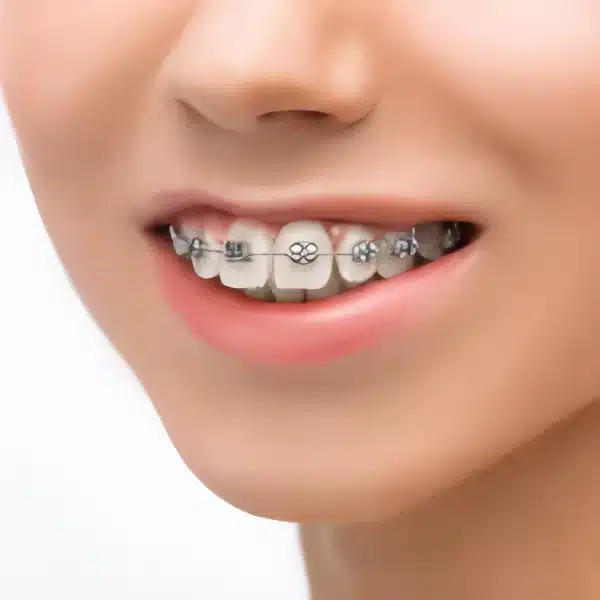
More complex cases, including significant misalignment, large bite corrections, or jaw discrepancies, often respond better to traditional braces or a different path altogether. Some cases need a specialist orthodontist, and we’ll refer you if so. Rather than fitting you into a one-size-fits-all solution, we’ll tell you honestly whether aligners will give you the result you’re after. If they won’t, you’ll still leave with a clear plan, not a sales pitch.
| Clear aligners | Braces | |
|---|---|---|
| Visibility | Clear trays, hard to spot | Brackets and wire; ceramic options are subtler |
| Removable | Yes, for eating and cleaning | No, fixed for the whole treatment |
| Relies on you wearing them | Yes, about 22 hours a day | No, working around the clock |
| Food restrictions | None while trays are out | Avoid hard, sticky and chewy foods |
| Best for | Mild to moderate crowding, gaps, minor bite issues | Complex movements and bigger bite corrections |
Our dentists can also discuss Invisalign alongside other clear aligner systems where relevant. No single dental system is automatically the right choice for every case. Good orthodontic dentistry starts by matching the appliance to the bite.
If you’re in Redland Bay, Cleveland or elsewhere in QLD and have already been quoted for Invisalign, you’re welcome to bring the plan with you. A second assessment with a dentist can help you compare the proposed orthodontic approach and understand whether another option may suit you better.
If you’re mainly interested in straightening for cosmetic reasons, tell us that too. A straighter smile may be the goal, but the underlying bite and dental health still need to guide the plan.
Mail-Order Aligners: What You Give Up
Direct-to-consumer aligners sold online can look cheaper, but it’s worth knowing what’s missing. There’s no in-person examination of your mouth and gums, and usually no X-rays, so problems like decay, gum disease, or roots that aren’t suitable for moving can be missed.
| Mail-order aligners | In-clinic treatment | |
|---|---|---|
| Examination | No in-person examination of your mouth and gums | A thorough assessment of your teeth, bite and dental health |
| X-rays | Usually none | Included in the assessment |
| Supervision | Limited hands-on supervision if something goes wrong | Check-ins every four to eight weeks |
| Trickier movements | No attachments or interproximal reduction | Attachments, buttons and interproximal reduction where needed |
| If you stop tracking | Often a less clear path | Your dentist adjusts the plan |
Movement on top of untreated gum disease can cause harm. There’s also limited hands-on supervision if something goes wrong, no attachments or interproximal reduction for trickier movements, and often a less clear path if you stop tracking. With in-clinic treatment, someone is checking your dental health, not just the position of your smile.
That supervision is a major difference between online trays and clinic-based orthodontic care. Your dentist can assess the whole mouth before movement begins, and our dentists continue reviewing progress throughout the process.
For people comparing online systems with local dentistry in Cleveland or Redland Bay, the main difference is that an in-person dentist can identify issues that a tray plan alone cannot.
Clear Aligners and Cosmetic Dentistry
Straightening can sometimes reduce how much cosmetic dentistry is needed later. A front area that initially looks like it needs bonding or veneers may look completely different once the alignment is corrected.
That’s why our preference is to plan in the right order. If veneers are still something you’re considering after straightening, your dentist can reassess the shape, shade, and proportions once the orthodontic stage is complete.
For some people, the final smile needs nothing more. Others may choose whitening, small bonding repairs or another conservative cosmetic dental option afterwards.
This is where having orthodontic, general and cosmetic dentistry considered together can help. The aim is to avoid altering healthy structure unnecessarily when a change in alignment may already deliver much of the result you want.
Retainers for Life, Realistically
Once your smile is straight, it’ll tend to drift back if left to its own devices. That’s just how alignment behaves, at any age. So retainers aren’t optional. Most people wear a retainer at night long-term, and some have a thin wire bonded behind the front area. It sounds like a big commitment, but after the first months it becomes as routine as brushing. We’ll recommend the right type for you and explain how often to wear it.
Retention is part of every successful orthodontic plan, whether you’ve used braces, clear aligners or Invisalign. Your dentist will explain how to protect your new smile once active movement is complete.
Regular dental reviews remain useful afterwards too. They allow the dentist to check retention, gum health and whether the alignment is staying stable over time.
Book an Aligner Consultation From Redland Bay
- Talk it throughTeeth, bite, and gum health assessed first.
- Check it suitsAligners, braces or something else, with costs upfront.
- Start with tray oneAttachments if needed, then check-ins every four to eight weeks.
Many extras policies include some orthodontic cover, with their own limits and waiting periods, so check yours before you start. If you’d rather spread the cost, we offer three payment plan options, including AfterPay and Zip Pay, plus SuperCare, which lets eligible patients apply to use superannuation towards treatment.
| Option | How it works |
|---|---|
| Health fund | Many extras policies include some orthodontic cover, with their own limits and waiting periods. We're a preferred provider for CBHS, Australian Unity, HCF, Medibank and Bupa |
| Payment plans | Three payment plan options, including AfterPay and Zip Pay |
| SuperCare | Lets eligible patients apply to use superannuation towards treatment |





If a straighter smile has been on your list for years and the main thing stopping you was the thought of metal braces at work, this is worth a conversation. Call 07 3824 4488 or book online.
Alexandra Hills Dental provides clear aligner care for people from Redland Bay, QLD, Cleveland, and surrounding Redland communities. Our dentists can compare clear aligners with braces, explain where Invisalign may fit, and discuss whether any cosmetic dentistry should be coordinated with the orthodontic plan.
If you’ve been searching specifically for Invisalign around Cleveland or Redland Bay, book a consultation and bring any previous scans, quotes, or plans you already have. Your dentist can review your starting position and explain whether Invisalign, another clear aligner system, or braces is the more suitable route.
Whether you’re coming from Redland Bay, Cleveland, elsewhere in Redland or another nearby part of QLD, the first step is the same: have the bite, gums and overall dental health assessed properly before deciding which system to use.
A good orthodontic result should do more than look straight on a screen. It should fit your bite, support your oral health, and give you a smile you’re comfortable maintaining long term.
Clear Aligners Redland Bay: Frequently Asked Questions
How long does clear aligner treatment take?
Aligner treatment at Alexandra Hills Dental usually takes one to two years.
How often do I change trays?
You'll usually change to a new set every two weeks, and see Dr Webert Chen every four to eight weeks for a check.
How many hours a day do I need to wear aligners?
About 22 hours a day. They come out only to eat, drink anything other than water, and clean your mouth.
Do clear aligners hurt?
Most people feel pressure or tightness for the first day or two of each new set, which usually settles quickly. Switching trays at bedtime can help.
What are attachments?
Small, tooth-coloured bumps bonded to selected teeth that give the aligners extra leverage for certain movements. They're polished off at the end of treatment.
Are aligners right for my case?
They tend to suit mild to moderate crowding, gaps, minor bite concerns, and teeth that have drifted since previous orthodontic treatment. Complex cases often respond better to braces.
Why not use mail-order aligners?
There's no in-person examination and usually no X-rays, so problems like decay or gum disease can be missed, and there's limited supervision if something goes wrong.
Will I need a retainer?
Yes. Teeth tend to drift back, so most people wear a retainer at night long-term.