Dental Bridges Capalaba
Closing the Gap: Dental Bridges for Capalaba Patients
A dental bridge does what its name suggests: it anchors a false tooth to the healthy teeth on either side of a gap, no surgery required. At Alexandra Hills Dental, our dentists fit bridges for patients who want something fixed in place rather than removable, whether the gap has been there for a decade or turned up last month.
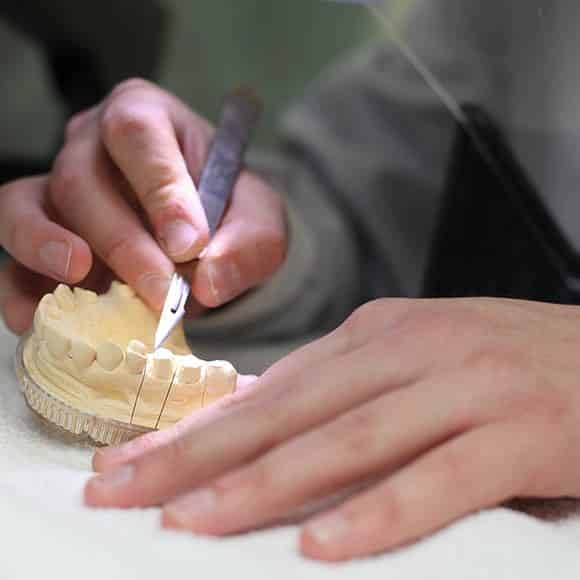
Closing the Gap Without Surgery
A missing tooth rarely stays a simple, contained problem. A dental bridge deals with all of the knock-on effects without the surgical placement a dental implant needs.
What a missing tooth leads to
- The teeth either side tend to tilt into the space over time
- Food traps more easily right where the gap sits
- Biting force shifts unevenly across the teeth that are left
A missing tooth affects more than your smile and is worth assessing properly, since dental crowns, bridges and implants each suit different situations, and general dentistry treats all of them as routine, not a last-resort dental fix. Our dentists weigh these options against your health fund before recommending treatment, and Capalaba and nearby suburbs fall within our usual service area.
Book online or contact our practice at Alexandra Hills Dental to have a dentist look at a missing tooth or crown, and ask the team about your options for crowns, bridges or implants at the same visit. Whether it’s one crown, a health check, or ongoing dental work, book a time, contact our team of dentists, and let a confident smile and the right treatment stay the real goal.
How a Bridge Anchors to the Teeth Beside It
The false tooth, called a pontic, is fused between crowns fitted over the two teeth on either side of the gap, known as abutment teeth. The whole thing is cemented in as one fixed unit, so it behaves like a normal set of teeth when you eat and talk.
A traditional bridge: one fixed unit, cemented in place
A bridge earns its keep in the everyday moments: biting into something crunchy without a second thought, talking normally without worrying a crown might loosen, or forgetting to hide your smile out of habit. Bridges like this are designed to last for years with basic care, not just the first few months. Because the pontic sits fixed between crowns rather than clipped in like a denture, most patients barely notice it once healing settles, though a floss threader under the false tooth keeps the abutment teeth, gums, and dental health in good shape long term.
Our dentists at Alexandra Hills Dental still like to check a bridge yearly alongside a normal clean, the same as any other dental work, whether that visit is for a missing tooth, a chipped crown, or simply routine dentistry.
Whether it’s one missing tooth or several, our dentists lay out real options rather than a single fix, comparing dental crowns, bridges, or implants case by case, with health fund options explained plainly. Implants remain on the table too, if a bridge isn’t the better long-term fit for a particular tooth. Local patients and anyone travelling from Capalaba get the same straightforward treatment plan and honest advice from our dentists and dentistry team.
Book online or contact our team at Alexandra Hills Dental to speak to a dentist and ask whether a dental bridge suits a missing tooth.
Traditional, Cantilever, and Maryland Bridges
Most dental bridges rely on two abutment teeth, one on either side of the gap. Where only one side has a healthy tooth to anchor to, a cantilever bridge is used instead. Materials range from full porcelain to porcelain bonded to metal to full metal, depending on where the gap sits and how much appearance matters to you there.
| Bridge type | What it anchors to | Crowns needed | Best suited to |
|---|---|---|---|
| Traditional | Two abutment teeth, one on either side of the gap | Two, one over each abutment tooth | Most gaps with a healthy tooth on each side |
| Cantilever | One strong tooth | One | Gaps where only one side has a healthy tooth |
| Maryland | The teeth beside the gap, without crowns | None | A lighter, more conservative fix |
| Material | Where it suits |
|---|---|
| Full porcelain | A visible front gap, where appearance matters most |
| Porcelain bonded to metal | Gaps that need both a natural look and extra strength |
| Full metal | Heavier back-tooth chewing |
Not every gap suits the same style of dental bridge. Material matters too: full porcelain dental crowns suit a visible front gap, while metal-backed dental crowns hold up better under heavier back-tooth chewing. A dentist will usually walk through dental crowns, bridges and implants together, since implants can outlast a bridge in the right case, and health fund cover often differs between the two.
Our dentistry team keeps that comparison honest rather than pushing one fix for every smile. Contact the practice with questions about a crown, bridges, implants, or general dental health, or book a time so a dentist can check your particular gap in person. Booking early and staying in contact along the way makes it easier to choose a treatment that suits your smile, your budget, and your long-term dental health, not just whichever option sounds simplest.
Bridge or Implant? Comparing the Two Honestly
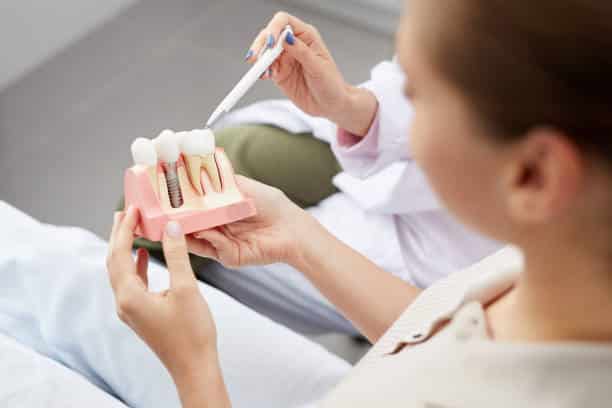
Both replace a missing tooth well, but the right pick often comes down to what you would rather avoid. Rather avoid oral surgery, or have limited jaw bone to work with? A dental bridge is often the more practical route, and that is the kind of thing worth talking through properly at a consultation.
| Factor | Bridge | Implant |
|---|---|---|
| Involves surgery | No | Yes |
| Appointments needed | Usually two to three | Several, over a few months |
| Relies on neighbouring teeth | Yes | No |
| Suited to limited jaw bone | Yes | Not always, without a bone graft |
Money aside, this choice comes down to which dental trade-off bothers you least: surgery and healing time, or trusting a crown on each side of the gap to keep your smile working the same as before. A dentist can look at your bone and gums in minutes and tell you honestly which treatment actually fits, rather than leaving you to guess from a comparison chart.
If avoiding surgery matters most, a dental bridge with a crown on either side is usually the quicker fix. If keeping your natural teeth untouched matters more, an implant costs extra time upfront but skips the dental crown on neighbouring teeth altogether, and either treatment counts as routine dental work once it’s done. Either way, book a proper assessment before choosing, since a dentist making that call in person beats any table.
Book online, or book a longer chat with our team at Alexandra Hills Dental first if you would rather talk it through. A confident smile is worth protecting, so let a dentist explain the plan properly, treat your dental health and your smile as one decision, and settle on whichever dental treatment actually suits your case, not just the one you searched for.
What Happens When a Gap Is Left Alone
Once a tooth is gone, the bone beneath it starts to shrink, and neighbouring teeth can drift into the space. Not every gap needs filling straight away, and the decision comes down to which tooth it is, how it affects your bite, and what you actually want out of it long term.
What we look at
- Which tooth is missing
- How the gap affects your bite, and whether you chew evenly on both sides
- Your bone levels
- What you actually want out of it long term
We tell you plainly whether waiting is reasonable or whether earlier action saves complications.
Leaving a gap isn’t automatically neglect; plenty sit quietly for years, especially further back in the mouth. What matters more is whether you’re chewing evenly on both sides, since favouring one side for years can strain the jaw joint in ways that have nothing to do with the empty space itself. A quick dental check now costs far less time and worry than untangling a shifted bite later, and it’s a conversation dentistry handles all the time, not just for people already mid-treatment.
We can look at your particular gap, your bite, and your bone levels, and tell you plainly whether waiting is reasonable or whether earlier action saves complications. Routine dentistry visits are a natural time to ask, and treating it as a considered dental decision, rather than something to forget about, is the safer approach long term. If you’re in Capalaba, reach out to our team at Alexandra Hills Dental today!
Your Bridge Appointments From Start to Finish
Local anaesthetic is used throughout. Here is how the visits run, in order.
- First visit: foundationsWe check the health of the teeth on either side of the gap and treat any decay or gum issues first, so the dental bridge has a solid foundation.
- First visit: preparationThe abutment teeth are shaped and an impression is taken for the lab. A temporary dental bridge covers the gap while you wait.
- Second visit: fittingThe permanent dental bridge is checked for fit, bite and colour, then cemented in place.

Eating and Speaking Normally Again
Because a bridge is supported by real teeth, it functions much like your own once fitted. Most people adjust within a couple of weeks, though mild sensitivity to hot and cold for a while afterwards is common while things settle.
Cleaning Underneath a Bridge the Right Way
Regular floss will not pass between teeth joined together as a bridge, so cleaning underneath the pontic takes a slightly different approach.
Looking after your bridge
- Brush twice daily with fluoride toothpaste, including around the gum line
- Clean under the pontic with superfloss, floss threaders or interdental brushes
- Go easy on ice, boiled lollies and hard nuts, all of which can chip or loosen the bridge
- Keep up regular check-ups so anything wrong gets spotted early
Bridge Costs and Spreading Payments With AfterPay or Zip
Cost depends on how many teeth are being replaced and the material chosen, so we confirm a figure once we have seen the gap. We are a preferred provider for CBHS, Australian Unity, HCF, Medibank and Bupa with HICAPS claiming on the spot, and we offer three payment plan options, including AfterPay and Zip Pay, plus SuperCare.
| Option | How it works |
|---|---|
| Health fund | Preferred provider for CBHS, Australian Unity, HCF, Medibank and Bupa, with claims processed on the spot through HICAPS |
| Payment plans | Three payment plan options, including AfterPay and Zip Pay, so you can spread the cost of treatment |
| SuperCare | A superannuation-based option for funding dental treatment |





See our payment plans page for details on each option.
How Many Years a Bridge Should Give You
With reasonable home care and regular hygiene visits, a well-fitted bridge commonly lasts ten to fifteen years. Looking after the natural teeth supporting it is really what protects the whole thing.
10 to 15 years
The key: looking after the natural teeth that support it.
Dental Bridges Capalaba: Frequently Asked Questions
Does getting a dental bridge involve surgery?
No. A bridge anchors a false tooth to the healthy teeth on either side of a gap, so no surgery is required.
How many appointments does a bridge take?
Usually two. The first checks and prepares the teeth either side of the gap and takes an impression, with a temporary bridge covering the gap. The second fits and cements the permanent bridge.
What types of dental bridges are there?
Traditional bridges anchor to two abutment teeth, cantilever bridges anchor to one strong tooth, and Maryland bridges skip crowns for a lighter, more conservative fix.
Is a bridge or an implant better?
It depends on what you would rather avoid. A bridge involves no surgery and suits limited jaw bone, while an implant does not rely on neighbouring teeth. A dentist can tell you which fits your case.
How do I clean under a bridge?
Regular floss will not pass between joined teeth, so clean under the pontic with superfloss, floss threaders or interdental brushes, and brush twice daily with fluoride toothpaste.
How long does a dental bridge last?
With reasonable home care and regular hygiene visits, a well-fitted bridge commonly lasts ten to fifteen years.
How much does a dental bridge cost?
It depends on how many teeth are being replaced and the material chosen, so we confirm a figure once we have seen the gap.
Where are you located?
Shop 2/191 Vienna Rd, Alexandra Hills, a short drive from Capalaba.
Ask About a Bridge at Our Clinic Near Capalaba
If a gap has been bothering you, whether for looks or because food keeps getting stuck in it, ring 07 3824 4488. We are a short drive from Capalaba at Shop 2/191 Vienna Rd, Alexandra Hills.
| Day | Opening hours |
|---|---|
| Monday | 8:30 am to 6:00 pm |
| Tuesday | 8:30 am to 5:00 pm |
| Wednesday | 8:30 am to 6:00 pm |
| Thursday | 9:00 am to 8:00 pm |
| Friday | 8:30 am to 5:00 pm |
| Saturday | 8:30 am to 1:00 pm |
| Sunday | Closed |