
Straightening Teeth at Any Age
Orthodontics moves teeth and guides jaw growth to fix crowding, gaps, and bite problems, using braces or clear aligners, and it can start at almost any age. For a lot of parents in Redland Bay, the prompt is a note from school or a comment at a routine check-up about a crossbite or crowded teeth. For adults, it’s often the realisation that the braces you were meant to get at 13 never happened. Either way, the first step is the same: a proper assessment.
For families in Redland Bay, the wider Redland district, and nearby parts of QLD, alignment care is often part of broader dental planning. At Alexandra Hills Dental, our team of dentists looks at how your bite works, how your jaw is developing, and how alignment may affect your long-term oral health and smile. If you want to improve function, make cleaning easier, or feel more confident with your smile for years, a first visit with a dentist in Redland Bay, QLD, is the place to start.
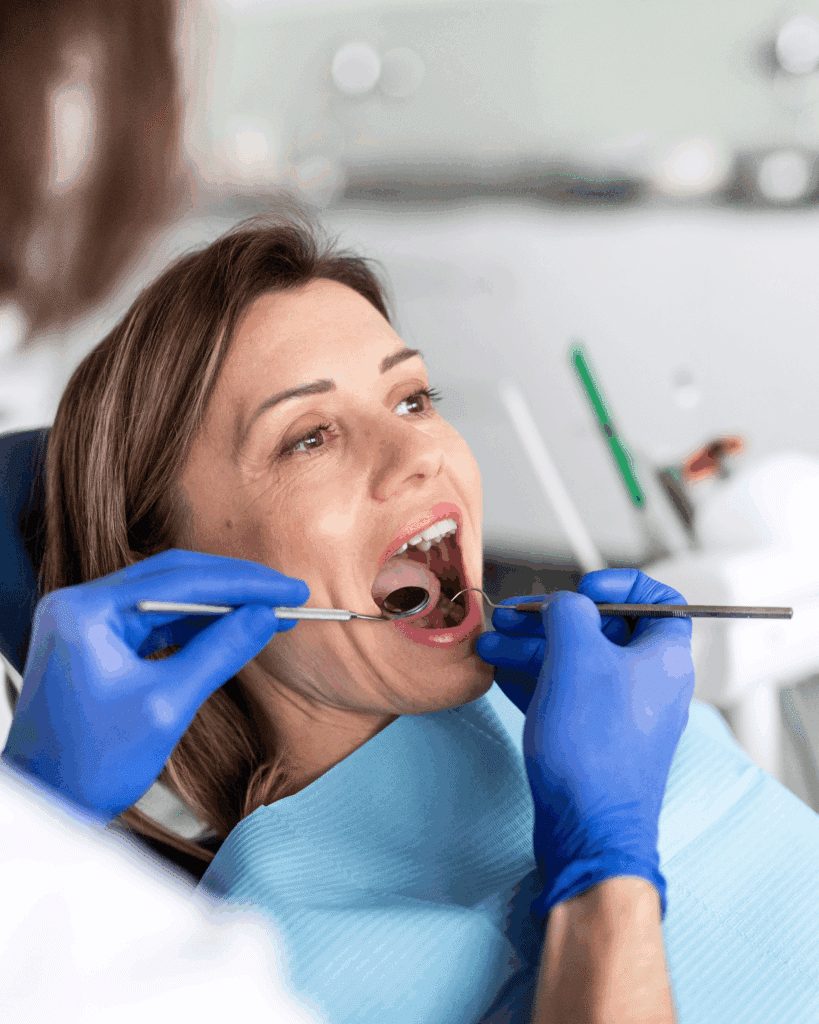
What an Orthodontic Assessment Covers
A proper orthodontic assessment is more thorough than a quick look in the mirror. As well as examining your teeth, smile, and bite, we take an impression to create a 3D mould, take detailed photographs of your jaw, mouth, and every tooth, and X-ray them along with your jaw. Then we talk through any concerns you have, including pain or difficulty with your bite or jaw.
Your assessment includes
- An examination of your teeth, smile and bite
- An impression to create a 3D mould
- Detailed photographs of your jaw, mouth and teeth
- X-rays of your teeth and jaw
- A talk through any concerns, including pain or bite difficulty
At Alexandra Hills Dental in QLD, our dentists also check alignment as part of every routine check-up, and we offer a free orthodontics consultation with every check-up and clean. It means problems get picked up early, often before you’ve noticed anything yourself.
Your orthodontic care here is provided by Dr Webert Chen, our principal dentist, who has undertaken further study to provide orthodontic care. He is a general dentist rather than a registered specialist orthodontist. For some complex cases, including significant jaw discrepancies that may need surgery as well as braces, we’ll refer you to a specialist orthodontist and explain why.
That matters because orthodontics sits within wider general dentistry. Sometimes a bite concern overlaps with gum health, restorative dentistry, future cosmetic dentistry, or other dental services. Our dentists can explain what can be managed at Alexandra Hills Dental and when specialist referral is the better option.
For families travelling from Redland Bay, QLD, the assessment visit is also an opportunity to ask broader general dental questions about orthodontics while the bite and jaw are being reviewed by our dentists.
Crowding, Spacing, Overbite, Underbite, Crossbite
The common problems we see fall into a few groups:
| Problem | What it means |
|---|---|
| Crowding | Not enough room, so a tooth will overlap or twist |
| Spacing | Gaps in between, sometimes from a small tooth or a missing tooth |
| Overbite | The top front teeth overlap the bottom ones too much vertically, sometimes called a deep bite |
| Underbite | The lower teeth sit in front of the upper ones when you close |
| Crossbite | Some upper teeth bite inside the lower ones instead of outside |
| Open bite | The front teeth don't meet when the back ones are together |
Why it's not only about looks
- Crooked teeth are harder to clean, raising the risk of decay and gum disease
- Uneven wear and chipping
- Chewing difficulties
- Speech issues
- Jaw strain
These aren’t only about looks. Crooked teeth are harder to clean, which raises the risk of decay and gum disease, and bite problems can cause uneven wear, chipping, chewing difficulties, speech issues, and jaw strain.
For many people across Redland Bay, QLD, concerns that begin with appearance or smile also have a practical side. Cosmetic dentistry may be one benefit, but your dentist also considers cleaning, wear, jaw comfort, and the way your bite functions for years.
Why Age Seven Is the Recommended First Check
The Australian Society of Orthodontists recommends a child’s first orthodontic assessment at around age 7, and we suggest checking somewhere between ages 7 and 9. At that age, the first adult molars are usually coming through, so it’s possible to see how the jaws are growing and whether problems are developing.
That doesn’t mean a seven-year-old needs braces. Most don’t. It means we can spot issues early, monitor them, and step in at the right time if needed.
- Ages 7 to 9: first checkThe first adult molars are usually coming through, so we can see how the jaws are growing and whether problems are developing.
- Childhood: growth modificationSome skeletal problems, such as a narrow upper jaw causing a crossbite, can be guided while growth is happening, for example with an expander.
- Around 12: full orthodonticsOnce all the baby teeth have been replaced, teenage jawbones are still growing and generally respond well.
- Adults: any ageTreatment works with good outcomes, though it tends to take a little longer because the jawbone has finished growing.
For parents in Redland Bay and surrounding QLD suburbs, this early dental visit can be useful even when nothing obvious looks wrong. Your dentist may simply recommend monitoring growth and checking again later in the years to come.
Growth Modification While the Jaw Is Still Forming
Children’s jaws are still growing, and that’s an opportunity. Some skeletal problems, such as a narrow upper jaw causing a crossbite, can be guided while growth is happening, for example with an expander. Picking these up during childhood can sometimes make later care simpler, and in some cases may help avoid more complex treatment, including surgery, down the track. Not every child needs orthodontics early, and we’ll be honest when “watch and wait” is the right call.
Early dental assessment is therefore about timing, not rushing a child into braces. Our dentists at Alexandra Hills Dental in QLD can monitor development over the coming years and recommend action only when it is appropriate.
Teen Treatment Around School and Sport
The most common time to start full orthodontics is around age 12, once all the baby teeth have been replaced by adult ones. Teenage jawbones are still growing and generally respond well to tooth movement.
We know teenagers in Redland Bay have school, sport, and social lives. Appointments can be planned around the school timetable, with late appointments on Thursdays to 8 pm and Saturday mornings to 1 pm, so parents don’t have to burn annual leave. Kids who play footy, netball, or other contact sports will need a mouthguard suitable for wearing with braces, and our dentists will talk you through that.
What makes teen treatment go faster
- Brushing carefully around brackets
- Wearing elastics or aligners as instructed
- Turning up to adjustment visits
- A mouthguard suitable for braces for contact sport
Orthodontics success for teens depends a lot on habits at home. Brushing carefully around brackets, wearing elastics or aligners as instructed, and turning up to adjustment visits all make a real difference to how long treatment takes. Our dentists will explain the routine to both of you, so it’s not left to nagging alone, and we’ll keep you updated on progress at each visit.
Teen care also often has a cosmetic dentistry component. Looking forward to a straighter smile can be motivating, but the dental plan still needs to work with the bite and overall oral health. Our dentists can explain both sides during each review visit.
Adults Who Never Got It Done the First Time
It’s never too late. Orthodontic treatment is increasingly popular among adults, whether you never had braces, your teeth have shifted since you did, or you’d like to straighten things before other general dental work. Treatment works at any age with good outcomes, though it tends to take a little longer in adults because the jawbone has finished growing.
Many adults prefer clear aligners because they’re discreet at work and when they smile. Others choose braces for more complex movements. Plenty of people start in their thirties, forties, or later.
For adults, we pay particular attention to gum and bone health, because healthy gums are the foundation that a straightened tooth will sit in. If you have an existing crown, missing tooth, or worn edge, we’ll factor those in too. Straightening first can sometimes make later work, like replacing a missing tooth or evening up a worn tooth, simpler and more predictable.
For adults from Redland Bay, QLD, alignment is often one part of a broader dentistry plan. Some people want it completed before crowns, implants, or cosmetic dentistry work. Others simply want to improve how their bite feels. Your dentist can coordinate those services so the order makes sense.
Fixed Appliances Versus Removable Aligners
We’ll explain which suits your case. Sometimes aligners aren’t the right tool, and we’ll tell you that rather than trying to make them fit.
The best option depends on your bite, your routine, and the type of movement required. During your dental visit, your dentist can explain the practical differences and whether braces or aligners are more suitable.
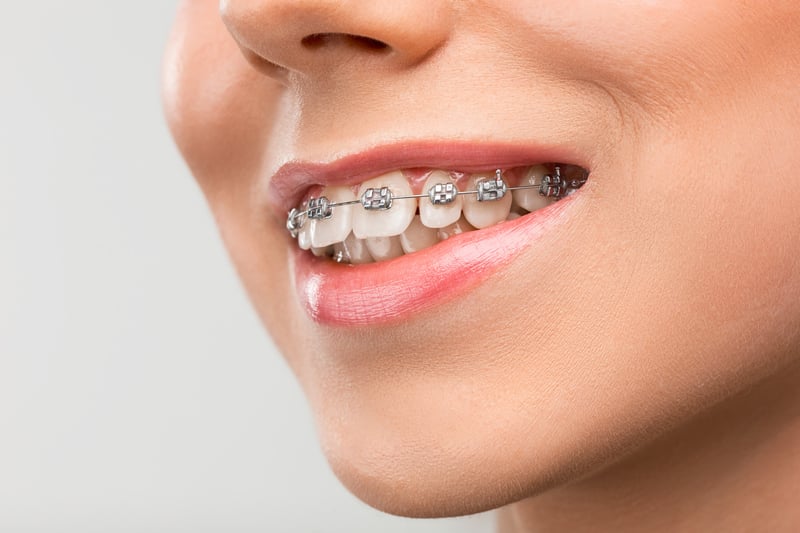
| Braces (fixed) | Clear aligners (removable) | |
|---|---|---|
| How they look | Brackets and wires; ceramic options are less noticeable | Clear trays that are hard to spot |
| Who's in control | Fixed in place, working all day | Must be worn about 22 hours a day to work |
| Eating | Avoid hard and sticky foods | Taken out to eat |
| Cleaning | Takes extra care around brackets | Trays out, normal brushing and flossing |
| Best suited to | Complex movements and many bite problems | Mild to moderate crowding, gaps and some bite issues |
For some adults, the cosmetic appearance of the appliance is particularly important. That can be part of the decision, but it is only one factor.
Extractions, Expanders, and Other Groundwork
Sometimes you need help before straightening can work well. If there’s severe crowding, removing one or more teeth can create the space needed. In younger patients, an expander may widen a narrow upper jaw. Other groundwork can include treating decay or gum problems first, or working alongside a specialist when the jaw needs surgical correction. We’ll explain any of these steps clearly before you commit.
Groundwork that may come first
- Removing one or more teeth when crowding is severe
- An expander to widen a narrow upper jaw in younger patients
- Treating decay or gum problems
- Working alongside a specialist when the jaw needs surgical correction
Because this planning can overlap with wider general dentistry, your dentist will also look for decay, gum problems, and other issues that may need attention first. Keeping those dental services within one overall plan can make the sequence easier to understand.
The Retainer Phase Nobody Warns You About
This is the bit people underestimate. Teeth naturally tend to shift back over time, which is why retainers are needed once active treatment finishes. They hold the teeth in their new positions while the surrounding bone and gums settle, and many people wear them at night long-term.
Some retainers are removable; others are a thin wire bonded behind. The type and wear schedule depend on your case. Skipping retainers is the most common reason straightened teeth drift, so think of them as part of the treatment, not an optional extra.
Retention is part of the treatment, not an optional extra. Your dentist will explain the wear schedule and check the retainer during later dental visits so your result remains stable.
Fees, Instalments, and What Funds Contribute
Orthodontic fees depend on the type of treatment and how long it takes, so we can’t give a single price before an assessment. What we can promise is a clear, itemised quote before treatment begins.
Many extras policies include orthodontic cover with its own limits and waiting periods, so check your policy before starting. The Medicare Child Dental Benefits Schedule doesn’t cover orthodontic treatment. We’re a preferred provider for CBHS, Australian Unity, HCF, Medibank and Bupa, claim on the spot with HICAPS, and offer three payment plan options, including AfterPay and Zip Pay, plus SuperCare to help spread the cost.
| Option | How it works |
|---|---|
| Health fund | Many extras policies include orthodontic cover with its own limits and waiting periods. We're a preferred provider for five funds, with claims on the spot through HICAPS |
| Payment plans | Three payment plan options, including AfterPay and Zip Pay |
| SuperCare | A superannuation-based option for funding dental treatment |
| Medicare CDBS | Doesn't cover orthodontic treatment |





If you’re budgeting for more than one child, tell us. Assessing siblings together lets us map out who needs treatment first and who can safely wait, so the family budget isn’t hit all at once.
For households around Redland Bay and the wider Redland, QLD area, it can also be useful to know that Alexandra Hills Dental provides broader general dental services. Your dentist can discuss alignment alongside routine care rather than treating every concern separately.
Book an Orthodontic Assessment From Redland Bay
- Start at the check-upA free ortho consult comes with every check-up and clean.
- Get the full pictureMoulds, photos, and X-rays of the teeth and jaw.
- Decide with the factsOptions, a likely timeline and a written quote.
If your child is around seven and nobody has looked closely at their bite yet, now is a good time. Most kids that age won’t need treatment, but it’s much better to know than to find out at 14 that an earlier fix was possible. Call 07 3824 4488 or book online.
Alexandra Hills Dental provides orthodontics, general dentistry and broader dental services for families from Redland Bay, the wider Redland region and surrounding QLD suburbs.
If you would like to arrange a first visit, our team can organise a suitable time with a dentist. That visit can cover bite concerns, alignment, future cosmetic dental goals, and any other general dentistry questions you have.
If you’re mainly interested in improving appearance, your dentist can explain how cosmetic dentistry may fit around alignment rather than replacing proper bite planning.
Orthodontics Redland Bay: Frequently Asked Questions
When should my child have a first orthodontic check?
The Australian Society of Orthodontists recommends around age 7, and we suggest checking somewhere between ages 7 and 9. Most kids that age won't need braces.
What age is best to start braces?
The most common time to start full orthodontics is around age 12, once all the baby teeth have been replaced by adult ones.
Can adults have orthodontic treatment?
Yes. It's never too late. Treatment works at any age with good outcomes, though it tends to take a little longer in adults.
Braces or clear aligners?
Braces suit complex movements and many bite problems. Clear aligners suit mild to moderate crowding, gaps and some bite issues, and must be worn about 22 hours a day.
Is the orthodontic consultation free?
We offer a free orthodontics consultation with every check-up and clean.
Who provides orthodontic care?
Dr Webert Chen, our principal dentist, who has undertaken further study to provide orthodontic care. He is a general dentist, not a registered specialist orthodontist, and complex cases are referred to a specialist.
Will I need a retainer?
Yes. Teeth naturally tend to shift back over time, so retainers are needed once active treatment finishes, and many people wear them at night long-term.
Does the Medicare CDBS cover orthodontics?
No. The Medicare Child Dental Benefits Schedule doesn't cover orthodontic treatment, but many extras policies include orthodontic cover.