Root Canal Therapy Without the Horror Stories
Root canal treatment removes infected or inflamed pulp from inside a tooth, disinfects and seals the canals, and lets you keep the tooth rather than having it pulled. It’s often the middle-of-the-night ache that sends people searching. A twinge on and off for weeks finally starts throbbing on a Sunday night, the painkillers wear off before morning, and the words “root canal” sound almost as bad as the pain. They shouldn’t. With proper anaesthetic, the dental treatment is usually what ends the pain, not what causes it. Contact Alexandra Hills Dental today!
The Tooth Is Infected. What Now?
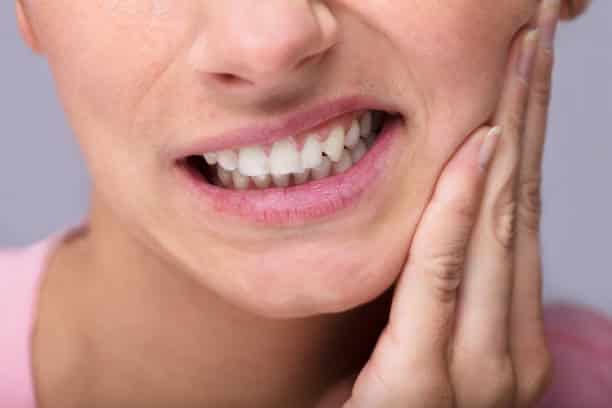
Inside every tooth is a soft core called the pulp, made up of nerves, blood vessels, and connective tissue. It runs down through thin channels in the roots, which are the root canals. When bacteria get into that space, the pulp becomes inflamed or infected, and because it’s sealed inside, the pressure has nowhere to go. That’s why the pain can be so intense.
At that point you’ve got two real options: save the tooth with endodontic (root canal) treatment, or remove it. Extraction can look like the quicker fix, but losing a tooth brings its own problems down the road, including bone loss and neighbouring teeth drifting into the gap. If it can be saved, we’ll usually recommend trying.
| Root canal treatment | Extraction | |
|---|---|---|
| What happens | The infected or inflamed pulp is removed and the canals are disinfected and sealed | The tooth is removed |
| Keeps your natural tooth | Yes | No |
| Down the road | Usually a crown on back teeth to protect it | Bone loss and neighbouring teeth drifting into the gap |
| Our usual advice | If it can be saved, we'll usually recommend trying | When the tooth cannot be saved |
Putting dental treatment off rarely helps. An infected pulp can go quiet once the nerve dies, yet the bacteria remain, and antibiotics from a GP or medical centre can’t reach inside the root canals. A dentist at a dental practice needs to treat the source to protect your teeth and your general health.
Root canal treatment is, in most cases, part of our general dentistry. Back teeth usually need a crown afterwards, though your dentist will confirm whether yours does, and the dentists at our clinic provide those too, keeping your care within one practice. As a preferred provider for CBHS, Australian Unity, HCF, Medibank, and Bupa, the practice can confirm what your health fund covers. Nervous patients can ask their dentist about Happy Gas when they book, because gentle dentistry puts patients at the centre of every appointment.
Alexandra Hills Dental sits at Shop 2/191 Vienna Road, Alexandra Hills, QLD 4161, and the dental clinic is signposted from the street. We see patients from Redland Bay, Cleveland, Victoria Point, and Thornlands, so whichever street you leave from, you’ll find Shop 2 at the end of a simple trip by road.
When a tooth flares up, call Alexandra Hills Dental at 07 3824 4488 before 10 am and book an appointment to see a dentist that same day, guaranteed. Our emergency dentistry spares you a long wait at a hospital emergency centre. If you live in Redland Bay but work in Cleveland, find a Thursday evening slot until 8 pm to fit around the drive home. Our dentists also handle routine dental health check-ups that keep your teeth strong, and the $190 first dental check-up and clean for new patients is the same whether you’re from Redland Bay, Cleveland, or Alexandra Hills, QLD.
Book a dental appointment online, save the Shop 2 street address before you hit the road from Redland Bay, QLD, and our dentists will be ready when you find the clinic.
How Decay Reaches the Nerve
Decay doesn’t jump straight to the nerve. It works its way through the enamel, then the softer dentine underneath, and only then reaches the pulp. That journey can take months or years, which is why regular dental check-ups catch so much of it early.
Other routes to the nerve
- A crack from grinding or an accident
- A broken filling or crown
- Trauma from a knock to the face
- Teeth that have had several large fillings over the years
- EnamelDecay starts working its way through the hard outer layer.
- DentineIt moves into the softer dentine underneath. Caught here, it can mean a simple filling instead of a root canal.
- PulpOnly then does it reach the nerve, and root canal treatment may be the safer path.
Catching decay at the dentine stage can mean a simple filling instead of a root canal. Once the nerve is involved, a dentist at our Alexandra Hills clinic checks whether the tooth’s nerve centre might still settle or whether root canal dentistry is the safer path, a real fork in the road. Keeping your teeth is usually better for chewing, speech and your long-term dental health, and our dentists will always lay out both options.
Most patients find they can head back to the shop floor, a call centre desk, or a job site down the road in Cleveland the same day or the next day. You’ll walk out onto the street with a numb lip, so leave that takeaway from the shop down the street until the dental anaesthetic wears off. The tooth can stay tender for a few days while the surrounding gum settles back to good health, and our dentists explain what to expect before you leave our dental clinic.
Once your dentist fits a tooth-coloured crown, nobody you pass in the street will know which one had the work. Parents can book around a day-care centre pick-up in Cleveland or Redland Bay, QLD, and our practice at Alexandra Hills Dental occupies Shop 2 of 191 Vienna Road, Alexandra Hills, QLD 4161, easy to find for patients coming from Redland Bay, Cleveland, or Victoria Point, QLD.
Alexandra Hills Dental is a family practice that also offers emergency dentistry. Use the online booking page or ring us directly to book an appointment, and we’ll find the earliest time a dentist is free at the clinic for patients in pain. From root canal dentistry to emergency dental services and routine oral health check-ups, our dentists keep things gentle.
Throbbing, Heat Sensitivity, and a Bad Taste
The signs that the pulp is in trouble tend to look like this:
Signs the pulp is in trouble
- Throbbing pain that keeps you awake or comes on by itself
- Sensitivity to hot or cold that lingers after the drink is gone
- Pain when you bite down
- Swelling in the gum or face, or a small pimple on the gum
- A bad taste in your mouth, which can mean an abscess is draining
- A tooth that has gone darker than its neighbours
Some infected teeth cause no pain at all, which is why we sometimes spot problems on an X-ray before you've noticed anything.
Inflamed or dying pulp sits at the centre of every sign above, but certain combinations tell a dentist more. If hot chips from the fish and chip shop or a laksa from a street food stall sets the tooth throbbing and only an icy drink settles it, the nerve is usually beyond recovery, though testing confirms it. If you experience a jolt each time your foot hits the street on a morning run, or pain when you press on the centre of the biting surface, it often means inflammation has reached the bone. A gum pimple with a white centre is pus trying to find a way out, so the ache you experience can ease while the infection stays. It’s not the end of the road for it, but the health of the bone around the root depends on treating it.
A darker tooth after a road bike fall or a stray ball in the street isn’t always urgent or an emergency, so a dentist at our Alexandra Hills practice tests it, sometimes over a few visits, to find out whether the nerve is still alive. Numbing gel from the shop down the road only buys an hour or so; dental treatment removes the source and protects your teeth and oral health.
When you book with Alexandra Hills Dental, mention which signs you’ve noticed and any health conditions such as diabetes, so the dentist can plan a proper dental assessment. Nervous patients can ask about Happy Gas, and patients who find weekdays hard can book a Saturday morning. Our practice, Alexandra Hills Dental, is at Shop 2, 191 Vienna Road, Alexandra Hills, QLD 4161, and we see patients from Redland Bay, QLD, and across the Redlands, QLD. Book online or call 07 3824 4488.
Diagnosis: Testing the Nerve Before We Treat
Before anyone reaches for a drill, we need to know which tooth is the culprit and whether the pulp can recover, because good dentistry always starts with the right diagnosis. Pain can be referred, so the one that hurts isn’t always the one that’s sick. It’s a bit like hearing a car horn and looking the wrong way down the street, and patients are sometimes surprised when the dentist points to a different tooth altogether.
How we test the nerve
- A dental X-ray to look below the gum line
- Gentle tapping and biting tests to find the tender tooth
- Checking how the tooth responds to cold
- Questions about your general health and any medicines
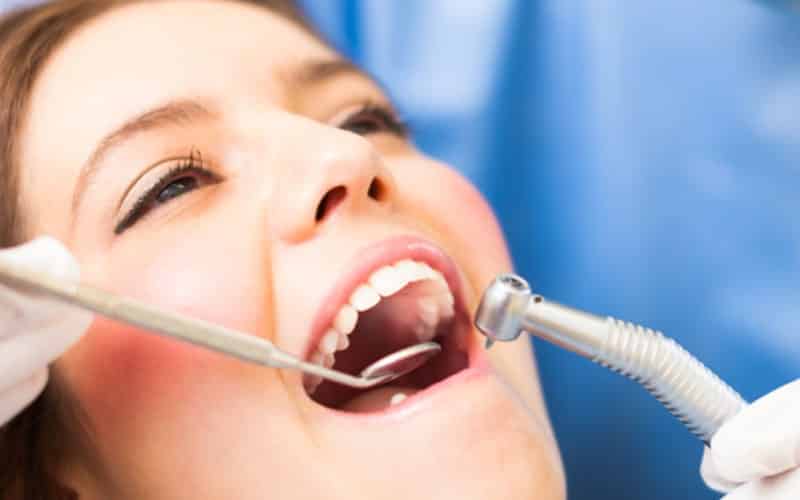
Diagnosis usually involves a dental X-ray to look below the gum line, gentle tapping and biting tests, which help the dentist find the tender tooth, and checking how it responds to cold. If an ice block from the shop on your street makes you experience a lingering ache, the cold test recreates that response in a controlled way, so mention it when you book an appointment. Your dentist will also ask about your general health and any medicines, as some conditions affect healing. The tests are quick and gentle, and patients can ask us to pause at any point. Put together, this tells us whether the nerve is irritated but recoverable, irreversibly inflamed, or already dead.
That diagnosis decides the treatment, and you’ll hear it in plain English, along with a cost estimate and the item numbers for your health fund, before you agree to anything or book further dental visits. Advice from a pharmacy shop counter or emergency room is no substitute for this kind of dentistry, and the road to better oral health starts with knowing exactly what’s wrong.
If you call Alexandra Hills Dental before 10 am on 07 3824 4488, we guarantee a same-day emergency appointment at our Alexandra Hills clinic, whether the pain hits at home, on the road, or out on the street. The emergency check-up is $99 and includes a single intra-oral X-ray where needed, so patients from Redland Bay, QLD, and across the Redlands, QLD, can find out what’s going on without committing to any dental treatment that day. You can also book online, and you’ll find our dental team and emergency dentistry at Shop 2, 191 Vienna Road, Alexandra Hills, QLD 4161.
Inside the Canals: Cleaning, Shaping, Sealing
- Numbing and accessOnce the tooth is numb, we make a small opening on the top of it to reach the pulp chamber. A thin rubber sheet called a dental dam usually sits around it to keep saliva out.
- Finding each canalYour dental X-ray acts as a road map, helping the dentist find each canal, including any side road that branches off the main one.
- Cleaning and shapingThe inflamed or dead pulp is removed, then each canal is cleaned, shaped, and disinfected, using fine dental files and rinses.
- Filling and sealingThe canals are filled with a sealing material to stop bacteria from getting back in, and the opening is closed.
Once the tooth is numb, we make a small opening on the top of it to reach the pulp chamber. A thin rubber sheet called a dental dam usually sits around it to keep saliva out. Your dental X-ray acts as a road map here, or a street directory if you remember those, helping the dentist find each canal, including any side road that branches off the main one. The inflamed or dead pulp is removed, then each canal is cleaned, shaped, and disinfected, using fine dental files and rinses, all done by the book. When the canals are clean, they’re filled with a sealing material to stop bacteria from getting back in, and the opening is closed, turning each canal into a dead-end street.
Molar canals can curve like a winding country road, which is why they take longer than a front tooth, so ask how long to allow when you book a dental appointment. You may find your jaw a little stiff afterwards from staying open that long, and the dentist will let you know whether to book a second visit.
Think of it like cleaning out and sealing a pipe that’s been contaminated, the way a plumber relines an old pipe under the street rather than digging the whole thing up. The outside of the tooth stays; what changes is that the inside can no longer harbour infection, and once it’s restored, you’ll find yourself chewing on it normally again.
One Visit or Two, and Why It Varies
There’s no single answer, and anyone who promises one before seeing your X-ray is guessing. A front tooth with one straight canal is a very different job from a back molar with three or four curved ones, and a middle-of-the-road case sits somewhere between. Not every tooth is on easy street. An active infection often needs a medicated dressing left inside for a while to settle things down before the final seal.
| Tooth or situation | What it usually means |
|---|---|
| Front tooth with one straight canal | A more straightforward job |
| Back molar with three or four curved canals | Takes longer, and may need more than one visit |
| Active infection | A medicated dressing is often left inside to settle things down before the final seal |
| Complex cases | May be referred to an endodontist, with your X-rays sent ahead |
At Alexandra Hills Dental, correcting a root canal infection can take up to three or four sessions. We’ll give you a realistic estimate at the start, so you can book leave ahead, and a temporary dental filling protects the tooth between visits. Treat it as a road test, not the finished surface. If healing hits a bump in the road, our dental team will explain why before you book an extra dental visit.
Some complex cases are best handled by an endodontist, a dentist registered as a specialist in endodontics, and if that’s the case for you, we’ll tell you upfront and explain why. We’ll send your dental X-rays ahead, so a new street address doesn’t mean starting from scratch, and the referral isn’t a one-way street, as you’ll usually return to us to book the crown.
The Crown That Protects the Result
A treated root canal often already lost a lot of structure to decay or old fillings, and it can be more brittle. That’s why a dental crown is often recommended afterwards, especially on back teeth that take the force of chewing. Think of a road that carries heavy trucks: without a strong top layer, cracks spread the way potholes do on an unsealed road. The dental crown is usually made in a dental laboratory, so you’ll book a short fitting visit once it’s ready.
86% to 93% of teeth survived 2 to 10 years after root canal treatment in a large systematic review by Ng, Mann and Gulabivala (International Endodontic Journal, 2010). Having a dental crown placed afterwards was the factor most strongly linked to the tooth surviving.
This isn’t an upsell. A large systematic review by Ng, Mann, and Gulabivala, published in the International Endodontic Journal in 2010, found that the pooled proportion of teeth surviving 2 to 10 years after root canal treatment ranged from 86% to 93%, and that having a dental crown placed afterwards was the factor most strongly linked to it surviving. We’ll tell you whether you genuinely need one.
The road between root canal and dental crown shouldn’t be long, as a temporary filling isn’t designed to last, and our payment plans mean you can book it without waiting to save up. Even then, the tooth isn’t a closed book; regular dental check-ups let us keep watching it.
Anaesthetic, Happy Gas, and Pacing the Appointment
The old jokes about emergency root canals come from a time before modern local anaesthetic. It works like a road closure, stopping pain signals from travelling along the nerve. Today, this dental treatment is routinely done with teeth fully numbed, and most patients tell us that the experience feels no worse than having a filling. In fact, root canal treatment is usually what relieves the pain. The numbness lasts a few hours, so save the rocky road until it wears off and you won’t bite your cheek.
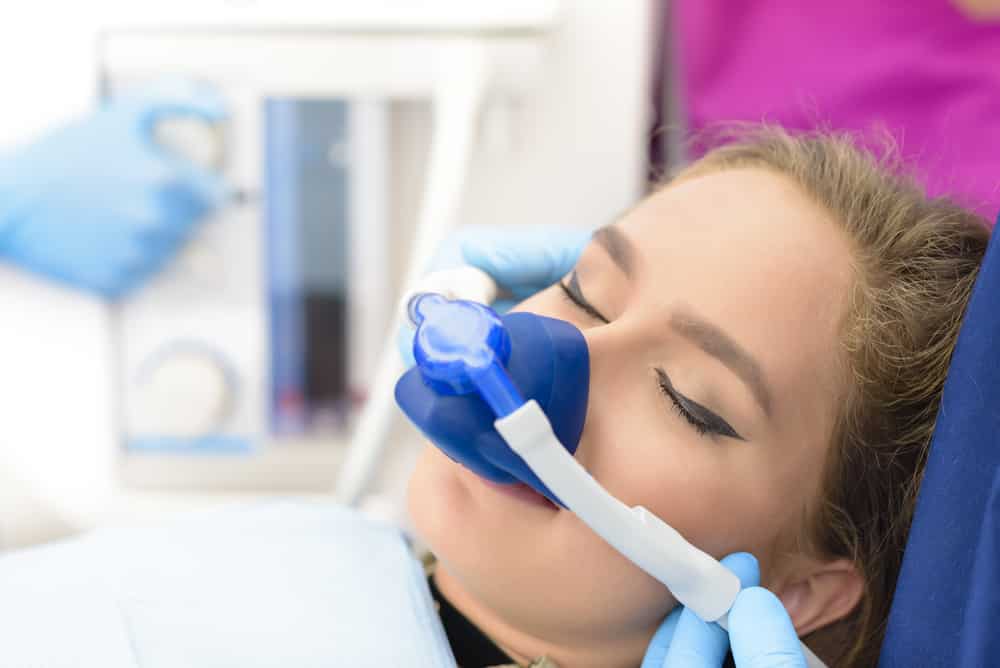
If you’ve had a bad dental experience before and you’re genuinely nervous in the chair, tell us. Dental anxiety is common, and our dental phobia page is there if you’d like to read more first. We offer happy gas (nitrous oxide) to take the edge off; we explain each step before we do it, and we agree on a signal so you can ask for a break at any time. Happy gas wears off within minutes once the mask comes off, so you’ll usually have a clear head for the road home after your dental visit. Nobody gets rushed through it here. Reach out to Alexandra Hills Dental and book an appointment today!
Recovery Through the First Week
Most people are back to normal activities the same day. Some mild tenderness around the tooth for a few days is normal, because the surrounding tissues have been through a lot. That’s your body settling, not a sign something has gone wrong.
If a temporary filling comes loose, call our team at Alexandra Hills Dental. It isn’t usually a dental emergency, but it should be replaced soon so bacteria can’t get back in.
To help it along
- Take pain relief as directed by your dentist or pharmacist
- Avoid chewing hard foods on that tooth until it's fully restored
- Keep brushing and flossing as normal
- Come to your follow-up visits so we can confirm it's healing
- Call us if pain gets worse after the first few days, or swelling appears
Medical emergency: facial swelling that keeps spreading, a high temperature, or difficulty swallowing or breathing is a medical emergency, so call 000 or go to your nearest hospital emergency department.
Success Rates and What Can Go Wrong
The numbers above are encouraging, but honesty matters more than marketing. Root canal treatment doesn’t always work. Canals can be very narrow, curved, or hidden; a tooth can have a crack that wasn’t visible; or bacteria can find their way back in through a leaking filling. When a treated tooth fails, the options include retreatment, referral for surgical dental treatment at the root tip, or extraction.
What helps your odds: getting dental treatment early, finishing the course of appointments, getting your teeth properly restored, and keeping up your dental check-ups so we can watch it on X-ray.
On cost, fees depend on the tooth and how many canals it has, so we can’t give one flat price. Your health fund will see item numbers such as 415 (preparing one canal) and 417 (filling one canal), with extra items for each additional canal. Our team at Alexandra Hills Dental can give you these numbers so you can ask your fund what you’ll get back. We’re a preferred provider for CBHS, Australian Unity, HCF, Medibank, and Bupa, claim on the spot with HICAPS, and offer three payment plan options, including AfterPay and Zip Pay, plus SuperCare. Root canal treatment is also among the services covered under the Medicare Child Dental Benefits Schedule for eligible children.
| Item number | What it covers |
|---|---|
| 415 | Preparing one canal |
| 417 | Filling one canal |
| Additional items | Each additional canal |
| Option | How it works |
|---|---|
| Health fund | Preferred provider for CBHS, Australian Unity, HCF, Medibank and Bupa, with claims on the spot through HICAPS |
| Payment plans | Three payment plan options, including AfterPay and Zip Pay |
| SuperCare | A superannuation-based option for funding dental treatment |
| Kids | Root canal treatment is among the services covered under the Medicare Child Dental Benefits Schedule for eligible children |





Serving Redland Bay and the Southern Moreton Bay Islands
- Ring before 10 amCall 07 3824 4488, and you'll be seen the same day.
- Find the culpritX-ray and nerve tests to confirm which tooth it is and whether it can be saved.
- Clean, seal, protectTreatment over one or more visits, then a crown if the tooth needs one.
If you’re on Russell, Macleay, Lamb, or Karragarra Island, an infected tooth plus a ferry timetable is a stressful combination. Ring Alexandra Hills Dental early, tell reception which boat you can make into Weinam Creek, and we’ll work the dental appointment around getting you home again. Mainland Redland Bay patients can usually be with us in under half an hour.
Root canal treatment often runs across several visits, so it’s worth knowing we’re open until 8 pm on Thursdays and on Saturday mornings. You won’t need to take a string of afternoons off to get it finished.
Any surgical or invasive procedure carries risks. Before proceeding, you should seek a second opinion from an appropriately qualified health practitioner.
Root Canal Near Redland Bay: Frequently Asked Questions
What does root canal treatment involve?
Root canal treatment removes infected or inflamed pulp from inside a tooth, disinfects and seals the canals, and lets you keep the tooth rather than having it pulled.
Does a root canal hurt?
With proper anaesthetic, the treatment is usually what ends the pain, not what causes it. Most patients tell us it feels no worse than having a filling.
Can antibiotics fix an infected tooth?
No. Antibiotics from a GP or medical centre can't reach inside the root canals. A dentist needs to treat the source.
How many visits does a root canal take?
It varies. A front tooth with one straight canal is a different job from a molar with three or four curved canals, and correcting a root canal infection can take up to three or four sessions.
Will I need a crown after a root canal?
Often, especially on back teeth that take the force of chewing. Your dentist will tell you whether you genuinely need one.
Can I be seen the same day?
Yes. Call 07 3824 4488 before 10 am and we guarantee a same-day emergency appointment. The emergency check-up is $99 and includes a single intra-oral X-ray where needed.
What item numbers will my health fund see?
Item numbers such as 415 (preparing one canal) and 417 (filling one canal), with extra items for each additional canal.
I live on the Southern Moreton Bay Islands. Can you work around the ferry?
Yes. Tell reception which boat you can make into Weinam Creek, and we'll work the appointment around getting you home again.