
About Alexandra Hills Dental
Welcome to the team at Alexandra Hills Dental, where we go above and beyond to ensure you are getting the best dental care possible.
Fixing any teeth or gum issues is only part of what we do here. We also focus on education and prevention so you don’t find yourself with issues in the first place. Caring for your teeth is extremely important, and the more you know about how to keep them healthy, the less you have to worry about painful toothaches, bleeding gums and more.
Here are just a few tips to get you on the right path:
Brush your teeth twice daily
Floss once a day
Be mindful of your diet
Meet Our Team
Our friendly team at Alexandra Hills Dental is a large part of what makes us a favourite practice for both the public and our health partners. Our team is both passionate and skilled, making your comfort a priority with each and every visit.
At Alexandra Hills Dental, we provide a wide range of dental treatment options for our patients. Our experienced team is always happy to help guide you through your treatment choices and make sure that you have all the information you need to make an informed decision.
All the services we offer are geared towards your best interests and we make sure we talk you through everything we are doing, so you have the opportunity to make the best decision for your needs. Let us help you overcome your fear of the dentist and turn it into a pleasant, routine appointment.
Dr Webert Chen – Principal Dentist
AVAILABLE DAYS: Monday, Tuesday, Thursday, Friday, last Saturday of the month
Dr Webert has renowned Alexandra Hills Dental since 2010. After graduating from University of Queensland in 2007, Webert is immerses himself in all aspects of Dentistry, one of his popular services is his Orthodontic work.
Dr. Webert is dedicated to providing patients with transparent and impartial guidance regarding their dental health. With a commitment to honesty and integrity, Dr. Webet ensures that patients are fully informed about their oral health status and the range of treatment options available to them.
When outside of work, Dr Webert enjoys spending time with his two boys, his wife, Jane, and their dog Wally. He also loves to play Badminton and Tennis.
Dr Abbie Ngoi – Dentist
AVAILABLE DAYS: 1st Saturday of the month
Dr. Abbie brings her expertise and compassionate care to Alexandra Hills Dental one Saturday each month. She earned her degree at Griffith University before embarking on her journey with us in 2020.
With her gentle touch and commitment to personalized care, Dr. Abbie ensures that each patient receives the best treatment tailored to their individual needs.
Outside of the office, Abbie is an avid sports enthusiast who loves joining her friends for a friendly game. She also has a passion for traditional Asian cuisine, exploring new flavors and dishes.
Dr Nick Lee – Dentist
AVAILABLE DAYS: Monday, Wednesday, Thursday, Saturday
Dr Nick is a passionate dentist with years of experience providing quality dental care to patients of all ages. Dr Nick graduated from the University of Queensland. Dr Nick enjoys practicing general dentistry and is particularly interested in pediatric dentistry as well as implantology. He is committed to staying up-to-date with the latest advances in the dental field; regularly attending seminars, conferences, and is the Treasurer for the CADMUS Dental Society.
Dr Nick speaks fluent English and Chinese Mandarin.
Besides dentistry, Dr. Nick enjoys an active lifestyle. You can find him rock climbing, playing badminton, or hitting the golf course with friends and family.
Dr Fiona Guyomar – Dentist
Coffee, Red Wine & Stains: How to Keep Teeth White Without Giving Everything Up
If you love coffee, red wine, or the occasional cola, you’ve probably had this moment:
You look in the mirror and think… “Wait. Were my teeth always this yellow?”
Teeth staining is incredibly common, and it’s one of the top reasons people start looking into whitening. But the frustrating part is that most advice online is unrealistic.
“Just stop drinking coffee.”
“Cut out wine.”
“Only drink water forever.”
Let’s be honest. Most of us would rather keep our personality.
The good news is you can keep your teeth noticeably whiter without giving everything up. You just need to understand why stains happen, which drinks are the biggest offenders, and what actually works (and what is mostly marketing).
Here’s a practical, dentist-approved guide for keeping your teeth white long-term, written for real people living real lives.
Why Some People Stain Faster Than Others (Even Withs great brushing)
Have you ever noticed how two people can drink the same amount of coffee, but one stains faster?
That’s not your imagination. Some people genuinely stain more easily, even with great brushing habits.
Here’s why.
1) Enamel texture and thickness
Teeth aren’t perfectly smooth. Some enamel is naturally more porous, which makes it easier for pigments to cling and settle into the surface.
If your enamel is thinner (often due to genetics, grinding, or acid wear), stains can show up faster.
2) Dry mouth
Saliva helps wash away staining compounds and neutralise acids. If you have dry mouth (from stress, medications, mouth breathing, or caffeine), stains stick more easily.
3) Diet and acidity
Acidic foods and drinks soften enamel slightly. When enamel is softer, it becomes more likely to absorb stains.
4) Age
As we get older, enamel naturally thins and the darker layer underneath (dentine) shows through more. That can make teeth look more yellow, even if they’re clean.
So if you feel like your teeth stain quickly, you’re not doing anything wrong. Your teeth might just need a different strategy.
The Biggest Teeth-Staining Drinks (And the Worst Way to Drink Them)
Some drinks are famous for staining. Others sneak up on you.
Here are the biggest culprits we see most often:
- coffee (black or with milk)
- red wine
- tea (especially black tea)
- cola and dark soft drinks
- sports drinks
- kombucha
- dark juices (like grape or cranberry)
- some flavoured sparkling waters
Now, here’s the part most people miss.
The worst way to drink staining drinks
Sipping slowly over a long period of time.
If you take small sips for 1 to 2 hours, your teeth are constantly exposed to:
- staining pigments
- acids that soften enamel
- reduced saliva (especially with coffee)
This is one of the fastest ways to build up surface stains, even if you brush twice a day.
The “Sip vs Slam” Rule: How Drinking Habits Affect Staining
This might sound funny, but it’s genuinely one of the most effective habits you can change.
We call it the sip vs slam rule.
Sipping
Slow sipping means your teeth are exposed to staining compounds for a longer time. This increases staining and also increases the risk of enamel wear.
Drinking in one sitting
If you drink your coffee in one sitting (instead of dragging it out), you reduce how long your teeth are exposed to pigments and acid.
This doesn’t mean you need to chug hot coffee like a maniac.
It just means:
- try not to nurse it for hours
- avoid constant refills
- take breaks with water in between
Small changes in drinking style can make a big difference over time.
Does Rinsing With Water Actually Help? (Yes — Here’s Why)
Yes. Rinsing with water after staining drinks is one of the simplest and most effective habits for reducing stains.
And it works for two reasons.
1) It dilutes pigments
Water helps wash away the dark compounds before they settle onto enamel.
2) It helps neutralise acidity
Many staining drinks are also acidic. When enamel is softened by acid, stains stick more easily.
Water helps bring the mouth back to a healthier pH level.
The best way to do it
You don’t need mouthwash. You don’t need anything fancy.
Just:
- take a few sips of water
- swish gently for a couple of seconds
- swallow
This is especially helpful after coffee, red wine, cola, or kombucha.
Whitening Toothpaste: What It Can Do vs What It Can’t
Whitening toothpaste is one of the most misunderstood products in dentistry.
It can help, but only within limits.
What whitening toothpaste can do
- remove some surface stains
- help maintain whiteness after professional whitening
- keep plaque lower (which helps reduce dullness)
What whitening toothpaste cannot do
- change the natural shade of your teeth
- whiten teeth several shades lighter
- remove deep internal staining
Most whitening toothpaste works by using mild abrasives to polish the tooth surface. Some also contain low levels of peroxide, but not enough to dramatically whiten teeth.
A word of caution
If you use whitening toothpaste too aggressively, or scrub hard while brushing, you can wear enamel and make teeth look more yellow long-term.
This happens because enamel thins and the darker dentine underneath becomes more visible.
So whitening toothpaste is best used as a gentle maintenance tool, not a miracle solution.
The Most Common Whitening Mistakes That Make Stains Worse
Here are the mistakes we see most often, and they’re usually made by people trying their hardest.
Brushing straight after coffee or wine
After acidic drinks, enamel is softened for a short time.
If you brush immediately, you can scrub softened enamel and make teeth more prone to staining.
A better option is:
- rinse with water
- wait 30 minutes
- then brush
Overusing whitening products
More is not better.
Overusing whitening strips, strong toothpaste, or DIY kits can lead to:
- sensitivity
- irritated gums
- uneven colour
- weakened enamel
Skipping professional cleans
A scale and clean removes the buildup that makes teeth look dull and yellow.
Many people jump straight to whitening, but their teeth are covered in stain and plaque. Whitening works best on a clean surface.
DIY “hacks”
If you’ve ever seen advice like:
- lemon juice and baking soda
- charcoal scrubs
- peroxide rinses from the supermarket
Please don’t.
These methods can damage enamel and gums, and the damage is not always reversible.
Professional Whitening vs DIY Kits: Which One Gives Real Results?
If you want a noticeably whiter smile, this is the big question.
DIY whitening kits
DIY kits vary wildly. Some barely do anything. Others are too strong and can cause sensitivity or gum burns.
Common issues with DIY kits include:
- uneven whitening
- increased sensitivity
- poor-fitting trays
- irritation to gums
- results that fade quickly
Professional whitening
Professional whitening is more predictable, safer, and gives better results.
That’s because:
- your teeth are checked first (to rule out decay or cracks)
- the whitening strength is chosen for you
- your gums are protected
- you get guidance on sensitivity management
- results are more even and longer-lasting
If you’re in Alexandra Hills and you want whitening that actually works, we recommend booking a consultation first. Sometimes a scale and clean alone can lift stains significantly before whitening is even needed.
How to Keep Teeth White Long-Term (Without Living Like a Monk)
This is the part everyone really wants.
You don’t need to quit coffee. You don’t need to give up red wine forever. You just need a long-term plan.
Here are the habits that make the biggest difference:
Drink water alongside staining drinks
This is the simplest change and it works.
Avoid slow sipping for hours
Try to reduce how long your teeth are exposed to staining compounds.
Use a straw for iced drinks
Iced coffee, iced tea, and cola cause less staining when you use a straw.
Keep up with scale and cleans
Regular professional cleans remove surface stains and keep your smile brighter naturally.
Be careful with brushing pressure
Hard scrubbing does not make teeth whiter. It often makes them look worse over time.
Consider professional whitening as a reset
Many people do whitening once, then maintain it with better habits and occasional touch-ups.
Don’t forget your tongue
A clean tongue helps your whole mouth feel fresher, and it reduces the “dull” look that comes from bacteria buildup.
Bad Breath That Won’t Go Away? 7 Hidden Causes That Have Nothing to Do With Brushing
Bad breath is one of those problems that feels frustrating, embarrassing, and weirdly hard to talk about.
You can brush twice a day, use mouthwash, chew mints, drink water, and still feel like your breath isn’t fresh. And what makes it worse is that most people don’t know whether it’s real or just anxiety.
Here’s the truth: persistent bad breath usually isn’t a brushing problem.
It’s often a sign that something else is going on in your mouth, gums, or even your overall health. And the sooner you identify the cause, the sooner you can stop wasting money on products that only mask the smell for 20 minutes.
This guide covers the 7 hidden causes of bad breath, plus when it’s time to see a dentist in Alexandra Hills.
Why Mouthwash Isn’t Fixing the Real Problem
Mouthwash can make your mouth feel minty, but it rarely fixes the cause of bad breath.
That’s because most mouthwash:
- temporarily covers odour
- doesn’t remove bacteria trapped under the gums
- doesn’t clean between teeth
- doesn’t treat infection or decay
- can even worsen dry mouth (especially alcohol-based mouthwash)
If your bad breath comes back within an hour, that’s a sign the source is still there.
Think of mouthwash like perfume. It’s not cleaning the problem, it’s covering it. The smell may reduce for a short time, but the bacteria and buildup causing the odour are still present underneath.
If you’ve been relying on mouthwash daily and nothing is changing, that’s a strong sign you need to look deeper.
The #1 Cause of Persistent Bad Breath: Gum Disease
If bad breath keeps coming back, the most common cause we see is gum disease.
And it’s often present even when people think their teeth look fine.
When plaque and bacteria build up along the gumline, the gums can become inflamed and infected. This creates a smell that is:
- persistent
- sour or metallic
- difficult to cover with mints
- often worse in the morning
Gum disease also creates pockets around the teeth where bacteria thrive. These pockets trap debris and produce strong-smelling compounds, even if you’re brushing every day.
Signs of gum disease can include:
- bleeding when brushing or flossing
- red or puffy gums
- gums that feel tender
- plaque buildup around the gumline
- bad taste in the mouth
- gums pulling away from teeth over time
The tricky part is that gum disease is often painless at first. Many people don’t realise there’s a problem until the smell becomes noticeable or the gums start bleeding more often.
A professional scale and clean, along with gum treatment if needed, can make a dramatic difference, and it’s one of the fastest ways to reduce long-term bad breath.
Tonsil Stones: The Gross (But Common) Cause No One Talks About
Tonsil stones are one of the most overlooked causes of bad breath.
They’re small whitish lumps that form in the crevices of your tonsils, made up of food particles, bacteria, and dead cells.
And yes, they smell awful.
Some people have large visible tonsil stones, while others have tiny stones hidden deeper in the tonsils that still create strong odour.
Signs you might have tonsil stones include:
- bad breath even after brushing
- a constant bad taste
- sore throat that comes and goes
- feeling like something is stuck in your throat
- coughing small white bits up occasionally
- bad breath that seems worse when you wake up
Tonsil stones are very common, especially in adults, and they can cause strong odour even if your teeth and gums are healthy.
If you suspect this is the issue, we can still check your mouth and rule out dental causes first, which is always the best starting point. Many patients are relieved to learn their teeth are healthy, and that the cause may be throat-related instead.
Dry Mouth: The Silent Trigger Behind Morning Breath That Lasts All Day
Everyone gets morning breath.
But if it lasts all day, dry mouth may be the real issue.
Saliva is your mouth’s natural cleaning system. It helps wash away bacteria, neutralise acids, prevent plaque buildup, and reduce odour-causing compounds.
When your mouth is dry, bacteria multiply faster, and smells become stronger. Dry mouth also makes plaque stickier, which increases the chance of gum issues and decay over time.
Common causes of dry mouth include:
- mouth breathing (especially during sleep)
- snoring or sleep apnoea
- dehydration
- caffeine
- certain medications
- stress and anxiety
- alcohol-based mouthwash
- smoking or vaping
A lot of people don’t realise that mouth breathing at night can affect their breath all day. If you wake up with a dry tongue, sticky saliva, or a dry throat, this may be part of the problem.
If you wake up with a dry mouth and feel like your breath stays bad even after brushing, dry mouth is a major suspect, and it’s worth addressing early before it starts affecting your teeth.
Cavities & Old Fillings: When Tooth Decay Causes Odour
Bad breath isn’t always a gum issue.
Sometimes it’s caused by tooth decay.
Cavities can trap bacteria and food in areas you can’t reach with brushing. Over time, this creates a smell that can be rotten, sour, persistent, and worse after eating.
Old fillings can also cause issues if they:
- crack
- leak
- trap food underneath
- break down around the edges
- leave small gaps where bacteria can sit
Many people have a cavity for months without pain, especially if it’s slow-growing. That’s why it’s possible to have “mystery bad breath” even when you don’t feel anything wrong.
If your bad breath has been lingering for a long time, a check-up and X-rays can help identify hidden decay. Fixing one cavity or replacing one failing filling can sometimes solve the issue immediately.
Your Tongue Might Be the Problem (Even If Your Teeth Are Clean)
Even if your teeth are spotless, your tongue can still be the main source of bad breath.
The tongue surface is textured, which makes it a perfect place for bacteria to live. Think of it like a carpet. You can vacuum the floor (your teeth), but if the carpet (your tongue) is holding bacteria, the smell will remain.
This bacteria produces sulphur compounds, which create that classic bad breath smell.
Signs your tongue is the culprit include:
- a white or yellow coating on the tongue
- breath that improves after tongue cleaning
- a bad taste that returns quickly
- a “furry” feeling on the tongue
What helps:
- gentle tongue brushing once daily
- a tongue scraper used carefully
- drinking water regularly
- avoiding smoking and vaping
- reducing sugary snacks (which feed bacteria)
Tongue cleaning is one of the fastest improvements most people can make. It’s simple, it’s free, and it often works better than mouthwash.
Diet & “Healthy” Foods That Can Still Cause Bad Breath
A lot of people assume bad breath only comes from junk food.
But many healthy foods can still trigger odour, especially when eaten regularly or combined with dry mouth.
Common bad breath triggers include:
- onions and garlic (even in salads)
- tuna
- eggs
- coffee
- protein shakes
- low-carb or keto diets
- citrus (in some people)
- fermented foods
- strong spices
Some foods release sulphur compounds. Others change your saliva balance or increase dryness. High-protein diets can also lead to a distinct keto breath smell.
Coffee is another big one. It dries the mouth and leaves compounds behind that can cling to the tongue.
If you’ve recently changed your diet and noticed bad breath started around the same time, this could be a big clue. The good news is that diet-related bad breath is usually manageable once you understand what’s triggering it.
When Bad Breath Means It’s Time to See a Dentist in Alexandra Hills
Bad breath becomes a dental issue when it is:
- persistent for more than 2 to 3 weeks
- noticeable even after brushing and flossing
- paired with bleeding gums
- paired with a bad taste
- paired with sensitivity or pain
- paired with swollen gums
- affecting your confidence and social life
The best thing you can do is stop guessing and get a professional opinion.
At Alexandra Hills Dental, we can check for:
- gum disease
- plaque buildup
- hidden decay
- old fillings that may be leaking
- infection
- oral hygiene issues that are easy to miss at home
And if your mouth looks healthy, we’ll let you know and guide you on next steps, including when to speak to your GP if needed. Sometimes the cause is outside the mouth, but it’s still worth ruling out dental issues first.
If you’ve been feeling self-conscious, avoiding close conversations, or constantly worrying about your breath, you don’t have to keep living like that. This is one of the most common issues we help patients with, and it’s almost always fixable once you find the real cause.
Back-to-School Dental Checklist: What Queensland Parents Should Book Before Term Starts
Back-to-school season always feels like it sneaks up on you.
One minute it’s holidays and later bedtimes, the next you’re labelling hats, packing lunchboxes, and trying to remember what day sport starts again. In the middle of all that, dental check-ups are usually the first thing to get pushed aside.
But here’s the truth: the school term is when dental problems tend to show up at the worst possible time. A sore tooth on a Wednesday morning, a chipped tooth at weekend sport, or a complaint of “it hurts when I chew” right before an exam.
This checklist is designed for Queensland families who want to stay ahead of the chaos and book the right appointments before term starts.
The Back-to-School Dental Checklist Most Families Forget
Most parents are on top of the obvious back-to-school list:
- uniforms and shoes
- stationery
- haircuts
- lunchbox supplies
- new drink bottles
But dental care often gets skipped because everything seems fine.
The issue is, many dental problems in kids are silent at first. Cavities can form without pain. Gum irritation can build slowly. Teeth can come through in tricky positions without any obvious warning signs.
A quick visit before school starts helps you catch problems early, avoid emergencies during term, and start the year feeling organised.
Book First: Exam + Clean (The Foundation of Everything)
If you book only one dental appointment before school goes back, make it an exam and clean.
It sets the foundation for your child’s oral health and helps prevent the issues that commonly cause pain during the school term.
A check-up and clean can help:
- detect early cavities before they become painful
- check gum health and reduce inflammation
- remove plaque and tartar that brushing cannot remove
- monitor adult teeth as they come through
- identify habits like grinding or mouth breathing
- reduce the risk of sudden toothaches during term
For many kids, this appointment is also an important confidence boost. When they hear “everything looks great,” they walk out proud and motivated.
If your child feels nervous about the dentist, that’s okay. We take our time, explain things gently, and focus on making the experience calm and positive.
Should Your Child Get Sealants? (A Simple Cavity Shield)
Dental sealants are one of the most effective preventative treatments for kids.
They are a thin protective coating placed on the chewing surfaces of back teeth, where deep grooves can trap food and bacteria. These grooves are hard for children to clean properly, even with good brushing.
Sealants can help reduce the risk of cavities in molars, especially during the years when adult teeth first come through.
Sealants may be recommended if your child:
- has deep grooves in their molars
- has had cavities before
- finds it difficult to brush the back teeth well
- snacks frequently throughout the day
- has a family history of tooth decay
Sealants are quick, painless, and protective. It’s one of those small things that can make a big difference during the school year.
Orthodontic Check: When to Look at Braces or Invisalign
Many parents assume orthodontic treatment is something to worry about in the teenage years.
But early checks can be very helpful, even if your child is not ready for braces yet.
An orthodontic assessment can identify:
- crowding as adult teeth come through
- bite issues like overbite, underbite, or crossbite
- spacing problems
- jaw development concerns
- teeth that are likely to become impacted
- habits that affect alignment, such as thumb sucking
The benefit of an early check is clarity. You don’t have to guess. You get a plan, a timeline, and a better understanding of what may be needed later.
If your child is older, we can also discuss more discreet straightening options such as Invisalign.
Sports Mouthguards: The One Appointment That Prevents Emergencies
If your child is playing sport this term, a mouthguard is not optional. It’s protection.
A properly fitted mouthguard helps reduce the risk of:
- chipped teeth
- cracked teeth
- knocked-out teeth
- lip injuries
- jaw injuries
- dental emergencies during weekends or after hours
Store-bought mouthguards may seem convenient, but many kids stop wearing them because they feel bulky, uncomfortable, or make it hard to breathe and talk.
A custom mouthguard is designed to fit your child’s teeth properly, making it far more comfortable and much more likely to actually be worn.
This is one appointment that can prevent a lot of stress, pain, and cost.
Tooth-Friendly Lunchbox Swaps That Actually Work
You don’t need a perfect lunchbox. You just need a few smart choices that protect teeth and still work in real life.
The biggest risk for cavities is not only sugar, but frequency. Constant snacking throughout the day keeps acid levels high and gives teeth less time to recover.
Here are some tooth-friendly swaps that are easy for most families:
Better snack options:
- cheese cubes or string cheese
- plain yoghurt
- boiled eggs
- nuts (age appropriate)
- veggie sticks with hummus
- wholegrain crackers
Better drinks:
- water is best
- milk is generally a good option
- juice and sports drinks should be occasional
If your child does have something sweet, it’s better to include it with a meal rather than as constant grazing throughout the day.
Signs Your Child Needs a Visit Before School Starts
Kids are not always great at explaining dental discomfort. Some will not mention it at all until it becomes painful.
Book a visit before school starts if your child has:
- tooth sensitivity to cold, hot, or sweet foods
- pain while chewing
- bleeding gums when brushing
- bad breath that returns quickly
- a tooth that looks darker than the others
- a chipped or cracked tooth
- grinding sounds at night
- headaches or jaw soreness
- delayed loss of baby teeth or unusual eruption patterns
Even if the issue turns out to be minor, checking early is always easier than dealing with an urgent appointment during the school term.
We Can Explain Everything Clearly in Your Preferred Language
Feeling comfortable at the dentist matters, especially when your child is involved.
If English is not your first language, we want you to feel confident, informed, and respected during every visit.
We welcome families who speak Mandarin, Chinese, and Korean.
Our team will always take the time to explain treatment options clearly, answer questions, and make sure you understand the next steps.
If you’d like to book a back-to-school check-up for your child, contact Alexandra Hills Dental today.
Phone: 07 3824 4488
Location: Unit 2-3/195 Vienna Rd, Alexandra Hills QLD 4161Starting the school year with healthy teeth is one of the easiest wins you can give your child, and one less thing you have to worry about once the term gets busy.
New Year, New Smile: 7 Dental Habits You’ll Actually Keep This January
January is that rare time of year when you genuinely want to feel better, look better, and finally get on top of the things you kept putting off. Your teeth are one of them.
If you’ve ever started a “perfect” routine only to drop it by week two, you’re not alone. The goal is not perfection. It’s momentum.
Here are 7 simple, realistic dental habits you can actually stick to this January, plus a few dentist-approved tips to make them feel easy, not exhausting.
Why January Is the Best Time to Fix Your Dental Routine
There’s something powerful about a fresh start, but January is more than just a mindset shift.
It’s also the month when:
- Your calendar is still relatively open
- You’re already building new habits (health, sleep, food, fitness)
- Your motivation is naturally higher
- You want to feel confident heading into the year
And here’s the part most people don’t think about: dental problems rarely start as emergencies. They start quietly, then suddenly become expensive, painful, and time-consuming.
A few small changes now can save you a lot later.
At Alexandra Hills Dental, we focus on prevention first. We love helping patients build habits that protect their smile long-term, without shame or overwhelm.
Habit #1: Book Your Check-Up Before the Year Gets Busy
This is the easiest win on the list.
If you book your check-up in January, you avoid the “I’ll do it later” trap that turns into six months… then twelve.
A routine check-up and clean helps:
- Catch cavities early
- Identify gum inflammation before it becomes gum disease
- Remove plaque and tartar you can’t brush away
- Keep your breath fresher
- Reduce the risk of sudden toothaches
If you’re a nervous patient, we get it. Our team is experienced with anxious patients and we’ll talk you through everything at your pace.
Tip that works: Book now, even if the appointment is a few weeks away. The hardest part is locking it in.
Habit #2: Upgrade Your Brushing (Most People Miss These Spots)
Most people brush their teeth. The problem is how they brush.
Even people who brush twice a day often miss the exact same areas:
- The gumline (where plaque builds fastest)
- The back molars
- The inside surfaces of the lower front teeth
- Around crowns, fillings, and dental work
A brushing upgrade does not mean brushing harder. In fact, brushing too hard can wear enamel and irritate gums.
Try this instead:
- Use a soft toothbrush (or an electric brush)
- Brush for 2 full minutes
- Angle the brush slightly toward the gumline
- Slow down on the back teeth
January challenge: Set a 2-minute timer for 7 days. By the end of the week, it feels normal.
Habit #3: Make Flossing Stick Without Overthinking It
Flossing is the habit everyone knows they should do… and almost nobody enjoys.
So let’s make it realistic.
You don’t need to floss perfectly. You just need to floss consistently.
Flossing helps remove plaque and food from between teeth, where your toothbrush cannot reach. This is where many cavities and gum issues begin.
If traditional floss feels annoying, try:
- Floss picks
- Water flossers
- Soft interdental brushes
The trick that makes it stick: Keep floss where you relax. Bathroom is fine, but bedside table is better. If you floss while watching Netflix, you’ll do it more often.
Habit #4: Protect Your Teeth From Grinding (Night Guards Matter)
Many people grind their teeth at night without realising it.
You might be grinding if you wake up with:
- Jaw tension
- Headaches
- Sore facial muscles
- Sensitive teeth
- Flattened or chipped edges on teeth
Grinding slowly wears down enamel and can lead to cracks, broken fillings, and jaw pain.
A professionally fitted night guard can:
- Protect your teeth from damage
- Reduce strain on the jaw
- Help prevent long-term wear
This is one of those habits that feels boring until you realise how much it can save your teeth.
If you’re unsure whether you grind, our dentists can check the signs during your exam.
Habit #5: Whitening Safely | What Works and What to Avoid
January is peak “glow-up season” and teeth whitening is one of the most popular ways to boost confidence fast.
But not all whitening is safe.
What works:
- Dentist-approved whitening treatments
- Professional take-home whitening trays
- Whitening guided by a dental check-up
What to avoid:
- Random online whitening kits
- Overusing whitening strips
- DIY hacks (especially anything involving acidic ingredients)
- Whitening if you have untreated cavities or gum issues
Whitening can be a great option, but it’s best done the right way. If you want brighter teeth without sensitivity or damage, chat with our team about the safest approach for your smile.
Habit #6: Build a Kid-Friendly Routine That Actually Lasts
If you’re a parent, you already know: kids routines only work when they’re simple.
The goal is not a “perfect” routine. It’s a routine your child can repeat without drama.
Here’s what helps most:
- Brush together, at the same time each day
- Use a fun timer (2 minutes feels long to kids)
- Keep toothbrushes visible and easy to grab
- Praise consistency, not technique
- Make dental visits feel normal, not scary
At Alexandra Hills Dental, kids dental care is a big part of what we do. We focus on making children feel safe, comfortable, and proud of their smile.
If your child is nervous, we take it slow. No pressure.
Prefer Another Language? We Welcome Mandarin, Chinese, and Korean Speakers
Feeling comfortable at the dentist matters.
If English isn’t your first language, you’re welcome here.
We proudly welcome patients who speak:
- Mandarin
- Chinese
- Korean
Our goal is to make sure you feel understood, respected, and fully informed about your dental care.
Ready to Start the Year With a Healthier Smile?
If you want 2026 to be the year you finally stay consistent with your dental health, start with the easiest habit:
Book your check-up and clean.
At Alexandra Hills Dental, we’re committed to gentle, prevention-focused care for individuals, families, and anxious patients. We also offer affordable options, including a first-time check-up and clean for $190, plus payment plan support.
Call today to book: 07 3824 4488
Visit us: Unit 2-3/195 Vienna Rd, Alexandra Hills QLD 4161
Opening hours: Monday to Friday (late Thursday), Saturday morningsDr Fiona Guyomar – Dentist
AVAILABLE DAYS: Tuesday, Thursday, Friday
Fiona enjoys delivering dentistry with a soft and gentle approach. She has a warm and empathetic manner and works with her patients to ensure that they are comfortable with the treatment they receive. She brings with her a wealth of skills and knowledge from many years, working in both private practice and public oral health, in Australia, New Zealand, and the United Kingdom.
Fiona lives in the Redlands with her husband and two large dogs, she also enjoys spending time with her grown up daughters.
Jane – Practice Manager
Jane is our amazing Practice Manager that is used to running things behind the scenes, but lately she’s been taking a front row position helping as a Dental Nurse and Receptionist.
When she’s not calling the shots, Jane is generally baking goodies to bring for all her staff (if you see all our waistlines expanding, this is the reason).
Dana – Dental Nurse
Dana – Dental Nurse
Dana’s journey to our clinic began through her pursuit of a dental nurse Cert III, and we couldn’t be more delighted to have her on our team. Dana has proven herself to be an invaluable asset, particularly earning praise from our more anxious patients for her remarkable hand-holding skills.
Off the clock, Dana’s creativity knows no bounds as she delves into the art of embroidery, bringing intricate designs to life with every stitch. When she’s not crafting masterpieces with needle and thread, Dana is busy managing her bustling family, which includes kids, dogs, and even a few chickens!
Our Routine Checkups
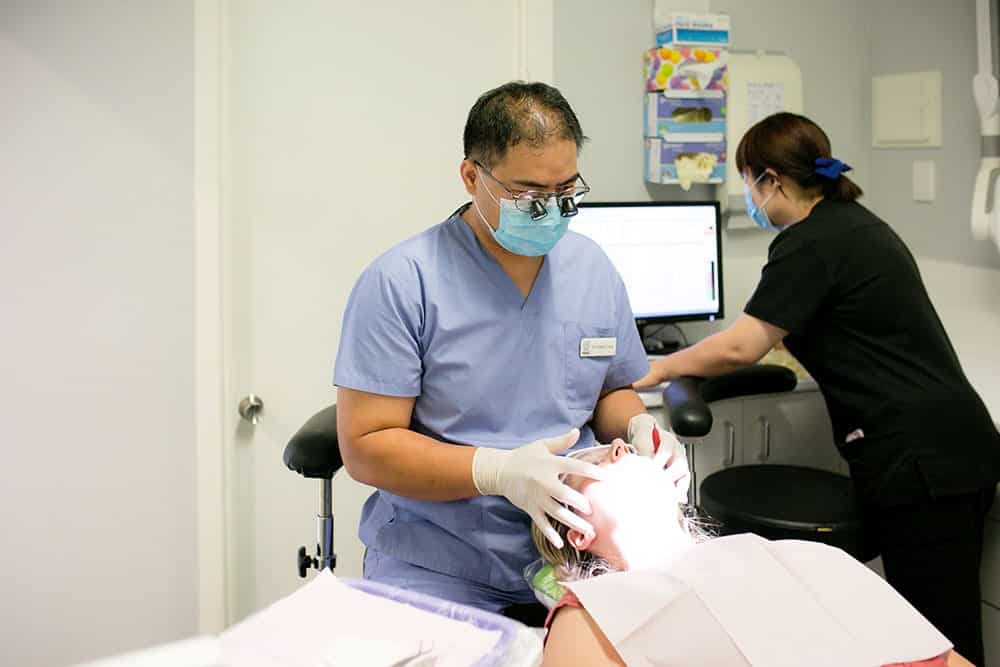
Book your routine checkup today and let us ensure your teeth are as healthy as possible and get on track to preventing any future issues from arising.
We believe in equal access to dental care, which is why we offer a first time checkup and cleaning for just $190, regardless of whether you hold health insurance or not. Teeth are important and their care should be a priority for everyone, no matter their financial position.
Book In Today
Simply pick up the phone and give us a call today to book in your next appointment.
To accommodate you, we offer morning, afternoon and weekend appointments. We also take most private health insurances. Therefore, you have the chance to receive cleanings, fillings, bridges, crowns and more at affordable prices.
You can also enquire with our friendly staff about alternative funding sources, so your access to great dental healthcare doesn’t have to feel like a burden.

